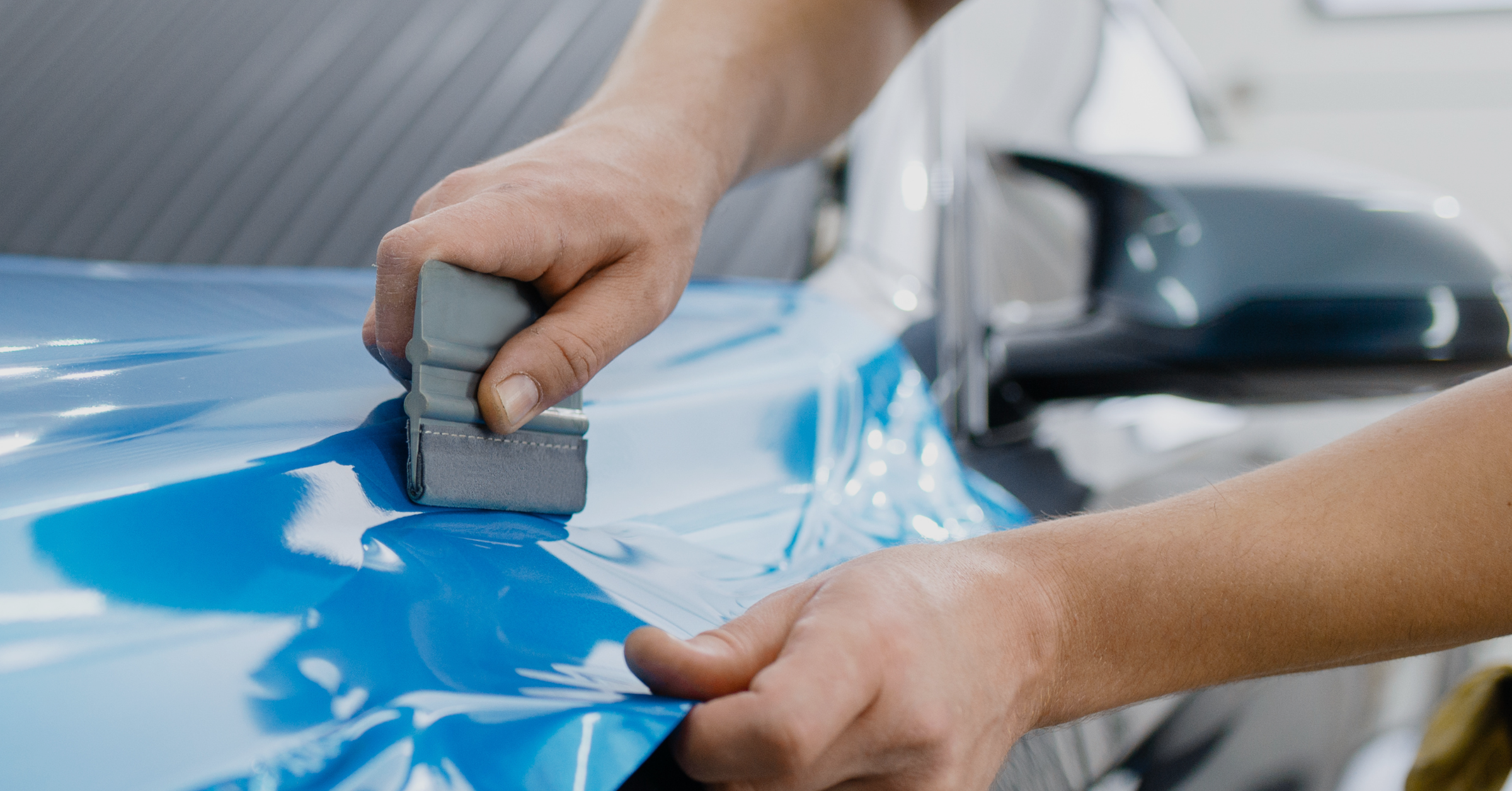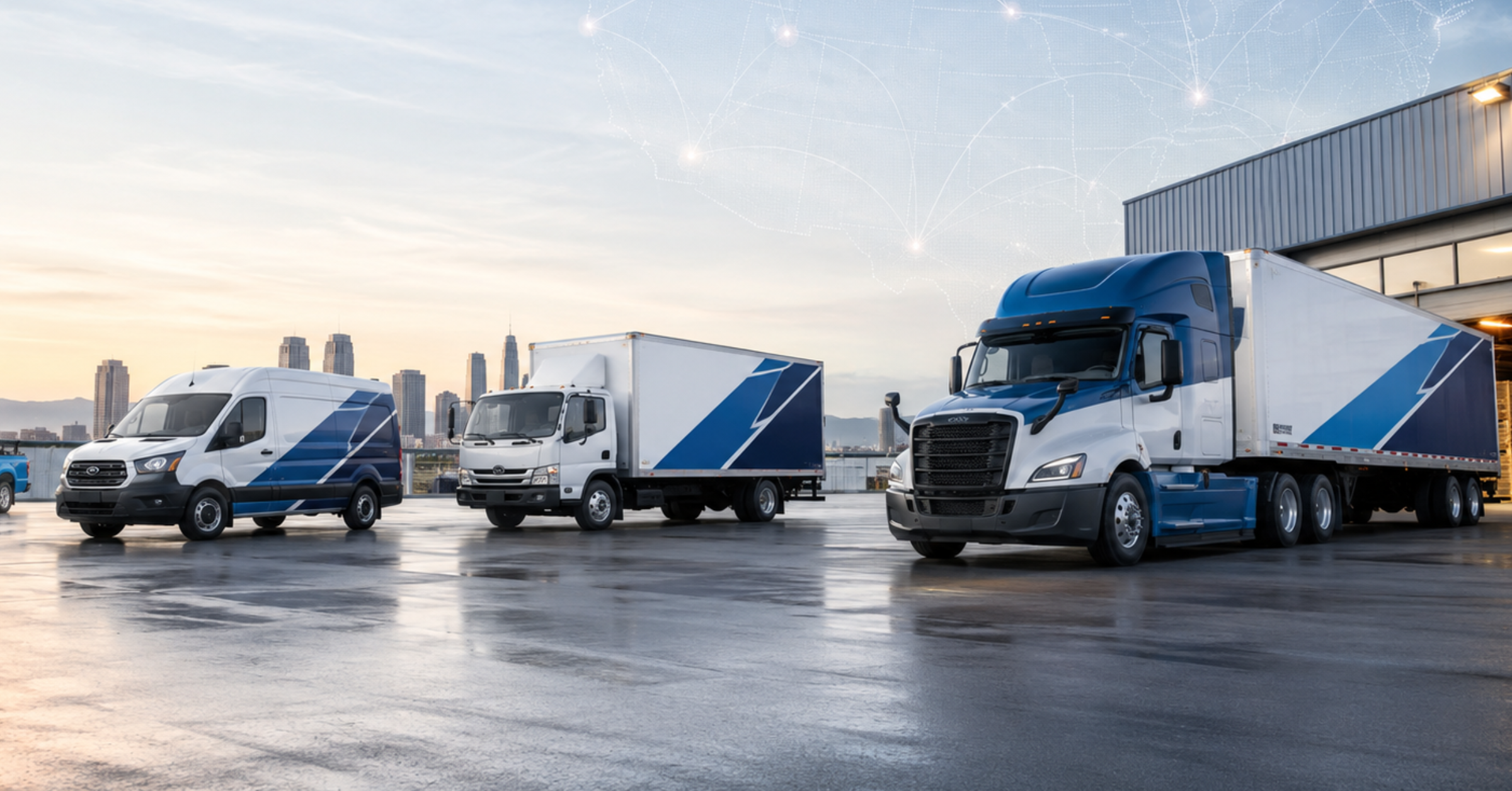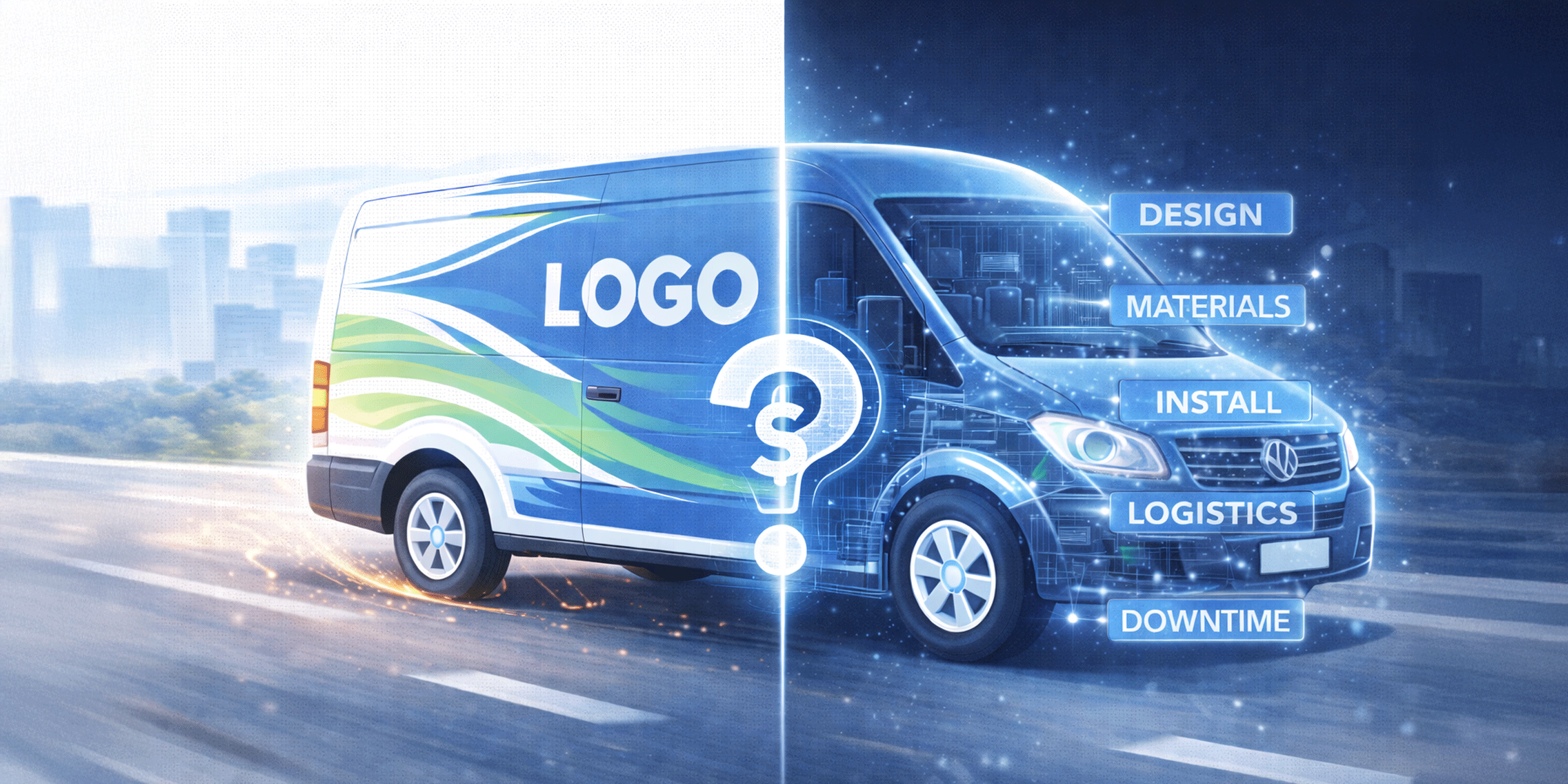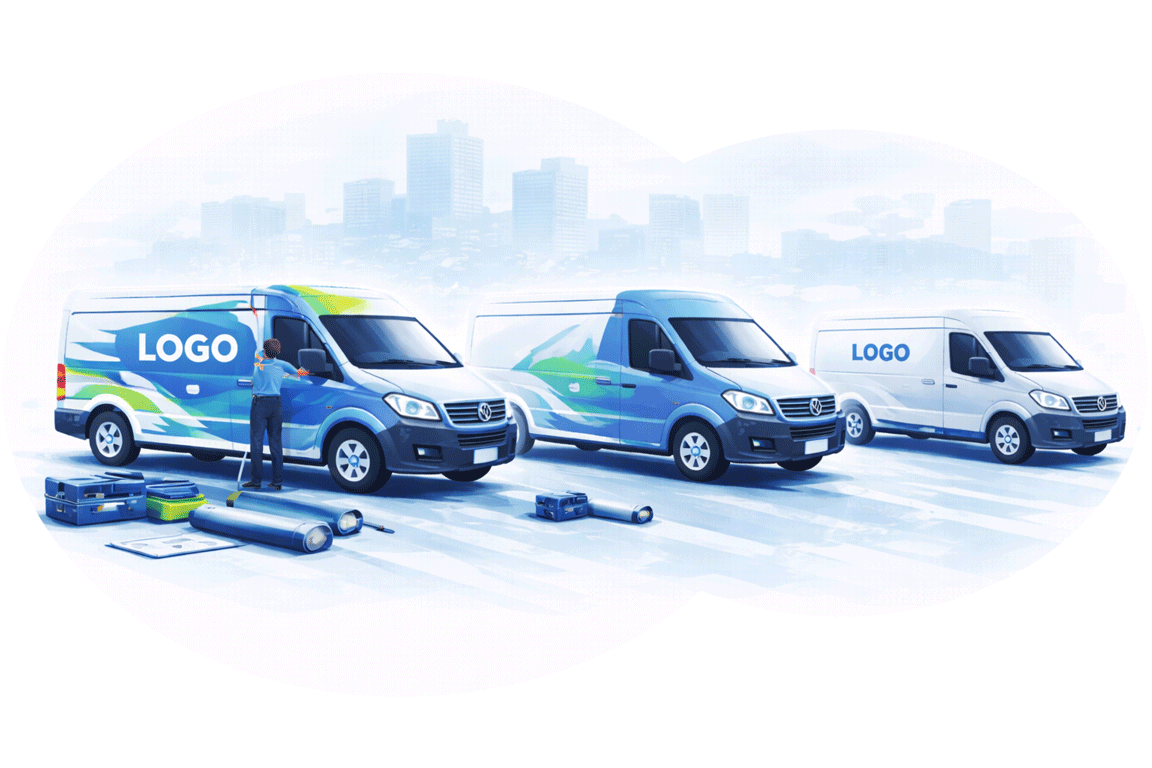
A fleet graphics program does not end after installation. Once branded vehicles hit the road, they are exposed to weather, washing, road debris, sunlight, fuel, dirt, and daily wear.
That is why fleet graphics maintenance is so important.
A well-maintained fleet helps protect your brand investment and keeps your vehicles looking professional for as long as possible.
Why Fleet Graphics Maintenance Matters
Your vehicles are often seen by customers, prospects, employees, and the general public. When graphics are clean, consistent, and well-maintained, they reinforce a strong brand image.
When graphics are faded, peeling, damaged, or mismatched, they can create the opposite effect.
Maintenance helps extend the life of your graphics, reduce avoidable damage, and keep your fleet looking unified across every location.
Wash Vehicles Regularly
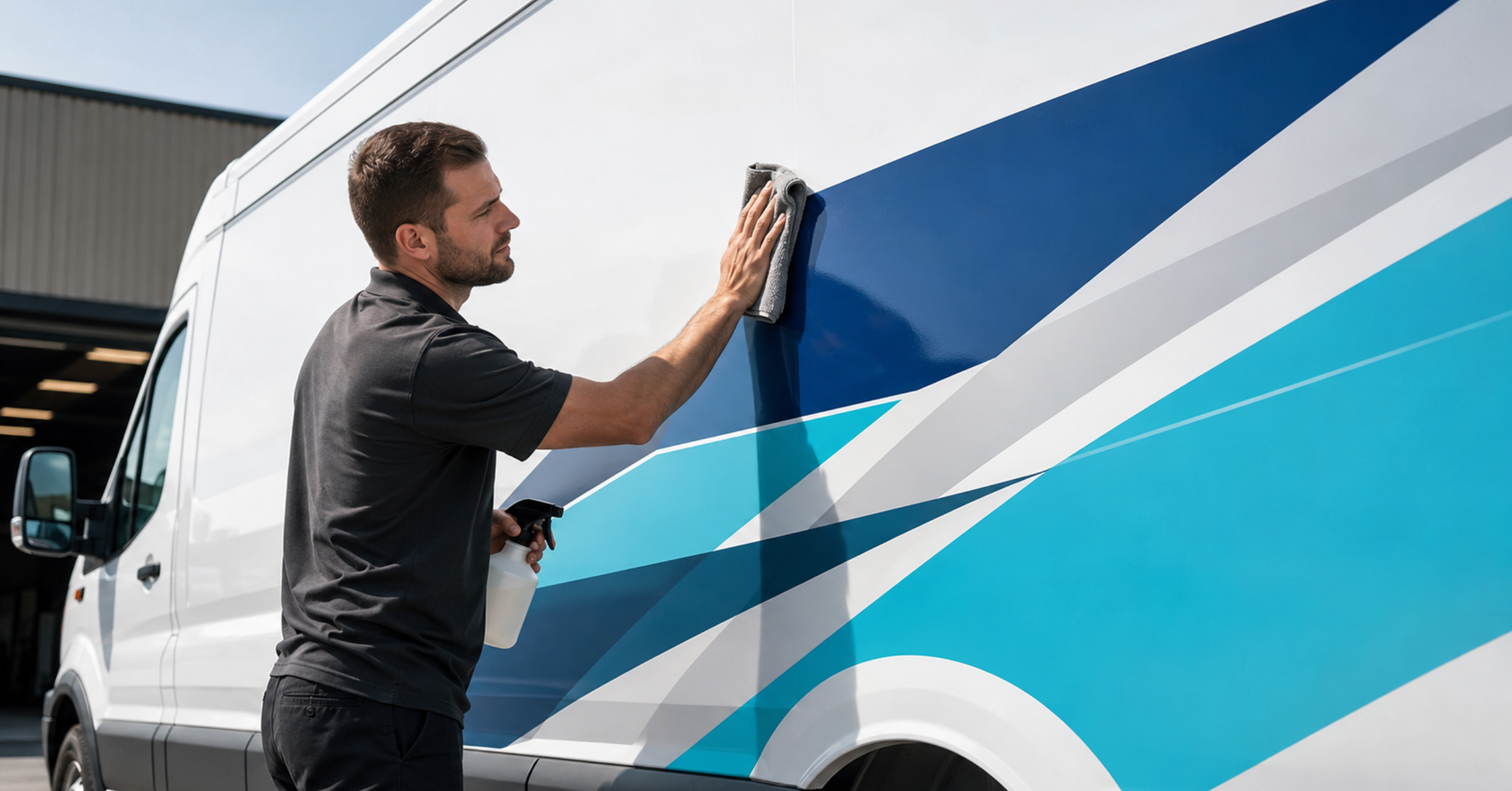
One of the simplest ways to protect fleet graphics is to keep vehicles clean. Dirt, salt, grime, fuel residue, and environmental buildup can affect the appearance of the graphics over time.
A regular washing schedule helps preserve color, finish, and overall presentation. Gentle washing methods are best. Harsh pressure, abrasive brushes, and aggressive chemicals can damage vinyl graphics or lift edges if used incorrectly.
For fleets operating in areas with snow, road salt, heavy rain, construction zones, or high heat, regular cleaning becomes even more important.
Inspect Graphics Often
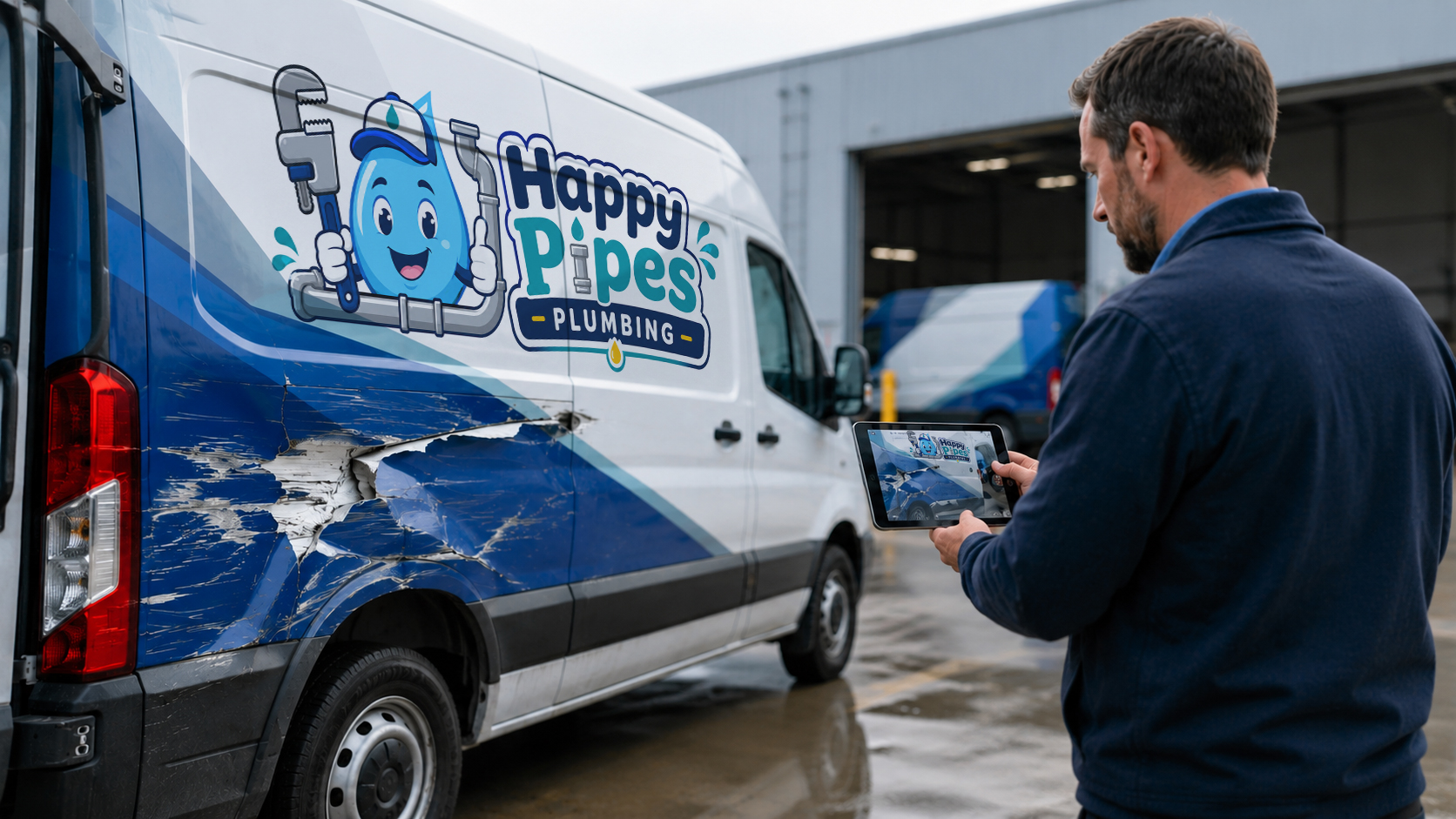
Routine inspections help catch small issues before they become bigger problems. Fleet managers should look for lifting edges, scratches, bubbling, fading, cracked material, missing decals, or damage from accidents and repairs.
Inspections can be done during regular vehicle maintenance or at scheduled intervals throughout the year. The key is to make graphics part of the normal fleet review process, not an afterthought.
Address Damage Quickly
Even high-quality graphics can be damaged in daily operations. A vehicle may scrape against a dock, go through a repair, or experience wear in a high-contact area.
When damage happens, quick action helps prevent the issue from spreading. Replacing a section of graphics early can keep the vehicle looking professional and may help avoid more extensive updates later.
Keep Replacement Graphics Organized
For large fleets, reordering graphics should be simple. When replacement decals, panels, or kits are needed, teams should know exactly what to order and where it belongs.
A clear inventory and ordering process helps reduce confusion and ensures replacement graphics match the approved brand standards. This is especially important for national fleets with multiple vehicle types and locations.
Know When It Is Time to Remove or Replace Graphics
Maintenance can extend the life of fleet graphics, but every program eventually reaches a point where graphics need to be replaced. Fading, outdated branding, vehicle turnover, or damaged material may all signal that it is time for an update.
Professional removal is important because improper removal can create additional labor, leave adhesive behind, or affect the vehicle surface.
Final Thoughts
Fleet graphics are a long-term brand investment. With the right maintenance plan, companies can protect that investment and keep their vehicles looking sharp on the road.
Regular washing, routine inspections, quick repairs, organized replacement graphics, and professional removal all help maintain a strong and consistent fleet presence.
FAQs
How often should fleet graphics be cleaned?
Fleet graphics should be cleaned regularly to remove dirt, road grime, salt, fuel residue, and environmental buildup. The right schedule depends on how often the vehicles are used, where they operate, and what conditions they are exposed to. Fleets operating in winter weather, construction areas, or high-mileage routes may need more frequent cleaning.
Can pressure washing damage vehicle graphics?
Pressure washing can damage fleet graphics if the pressure is too high, the nozzle is too close, or water is sprayed directly at the edges of the vinyl. Gentle washing methods are best to help protect the graphics and prevent lifting, peeling, or premature wear.
What should fleet managers look for during graphics inspections?
Fleet managers should look for lifting edges, bubbling, scratches, fading, peeling, missing decals, cracked material, or damage from repairs and daily use. Catching these issues early can help keep vehicles looking professional and prevent small problems from becoming larger ones.
Can damaged fleet graphics be repaired?
In many cases, damaged sections of fleet graphics can be repaired or replaced without redoing the entire vehicle. Having accurate records, approved artwork, and organized replacement graphics makes it easier to match the existing branding and maintain a consistent fleet appearance.
How long do fleet graphics last?
The lifespan of fleet graphics depends on several factors, including material quality, installation, climate, vehicle usage, washing methods, and overall care. Regular maintenance can help extend the life of the graphics and keep the fleet looking clean and consistent.
We proudly use 3MTM graphic films and overlaminates.
When it comes to fleet branding, the installation is the moment everything becomes real.
The design has been approved. The graphics have been produced. The vehicles are scheduled. Now the brand needs to show up correctly on every asset, in every location, with every detail in place.
That is why installation verification matters.
What Is Installation Verification?
Installation verification is the process of confirming that graphics have been applied correctly after installation is complete. This can include photo documentation, location tracking, completion status, quality checks, and reporting.
For a single vehicle, that may seem simple. For a national fleet, it becomes essential.
When dozens, hundreds, or thousands of vehicles are being branded across multiple locations, verification gives teams the confidence that each install was completed and that the finished result meets brand standards.
It Protects Brand Consistency
Your fleet is often one of the most visible parts of your brand. Every vehicle on the road represents your company, your standards, and your customer experience.
If graphics are installed incorrectly, the issue can be noticed quickly. A logo placed too low, a color that does not match, a missing decal, or an inconsistent layout can make the fleet look disconnected.
Installation verification helps catch those issues. By documenting completed installs, teams can confirm that each vehicle matches the approved design and that the brand is being represented consistently.
It Creates Accountability Across Locations
Fleet graphics programs often involve multiple stakeholders. Marketing teams care about the brand. Fleet managers care about vehicle availability. Operations teams care about scheduling. Installers care about execution.
Verification gives everyone a shared record of what happened.
Instead of relying on scattered updates or verbal confirmation, photo proof and reporting create a clear source of truth. Teams can see what was completed, when it was completed, and whether any follow-up is needed.
It Helps Keep Programs on Schedule
Large branding programs move quickly. If one location falls behind or a vehicle is missed, it can affect the rest of the rollout.
Installation verification makes it easier to track progress in real time. Completed vehicles can be marked as finished. Pending installs can be identified. Issues can be addressed before they create larger delays.
That visibility helps teams stay organized and keeps the program moving forward.
It Supports Long-Term Fleet Management
Verification is also valuable after the initial install. As vehicles are added, removed, repaired, or replaced, documentation helps teams understand the branding history of each asset.
This can make future maintenance easier. If a vehicle needs replacement graphics, teams can reference prior installation records and ensure the new graphics match the rest of the fleet.
Conclusion
Fleet branding is not just about getting graphics onto vehicles. It is about getting them installed correctly, consistently, and with proof that the work was completed.
Installation verification gives brands the confidence that their fleet is showing up the right way. For large programs, that confidence is not a nice-to-have. It is a critical part of protecting brand quality at scale.
Want a simple way to review your next fleet graphics rollout? Download our Fleet Graphics Installation Verification Checklist to help keep every install consistent, documented, and aligned with approved brand standards.
A national fleet rebrand is more than a design update. It is a moving operation with vehicles, teams, locations, schedules, installers, production timelines, and brand standards all working at the same time.
For large fleets, the biggest challenge is not simply creating the new look. It is getting that look applied consistently across every asset without pulling vehicles out of service longer than necessary.
That is where planning becomes critical.
Start With the Full Fleet Picture
Before production begins, every successful fleet rebrand should start with a complete understanding of the assets involved. How many vehicles need updated graphics? Where are they located? Are they the same make and model, or does the fleet include vans, box trucks, trailers, buses, and specialty vehicles?
These details matter because each vehicle type may require different measurements, materials, design adjustments, and installation time. A strong rebrand plan accounts for those differences early so there are fewer surprises once the rollout begins..
Build a Rollout Schedule Around Operations
A fleet rebrand should support the business, not disrupt it. For companies with vehicles on the road every day, timing is everything.
Instead of treating installation as one large event, a phased rollout can help keep the fleet active while graphics are being updated. Vehicles can be scheduled by region, location, priority, route, or asset type. This gives fleet managers more control and helps prevent unnecessary downtime.
The goal is simple. Keep the brand moving while the rebrand is being completed.
Keep Brand Standards Consistent Across Every Unit
Consistency is one of the most important parts of a national fleet rebrand. A customer should recognize the same brand whether they see a vehicle in Chicago, Denver, Dallas, or anywhere else in the country.
That level of consistency requires accurate design files, controlled production, clear installation instructions, and quality checks throughout the process. Even small variations in color, placement, sizing, or finish can weaken the overall impact of the rebrand.
When every vehicle follows the same brand standards, the fleet becomes a stronger and more recognizable marketing channel.
Use Visibility to Reduce Confusion
Large fleet programs involve a lot of moving pieces. Without clear visibility, it can be difficult to know which vehicles are complete, which are scheduled, which need graphics, and which are still waiting for installation.
A centralized program management tool can make this process easier by tracking progress from production through installation. This gives stakeholders a clearer view of the rollout and helps teams make faster, more informed decisions.
Plan for Maintenance After the Rebrand
A fleet rebrand does not end when the final vehicle is installed. Over time, vehicles may be added, removed, repaired, reassigned, or replaced. Graphics may need to be reordered. Damaged panels may need to be updated. New assets may need to match the rest of the fleet.
Planning for long-term brand maintenance helps protect the investment and keeps the fleet looking consistent after the initial rollout is complete.
Final Thoughts
A national fleet rebrand is a major opportunity to strengthen brand recognition, improve consistency, and create a more professional presence on the road. With the right strategy, the process does not have to slow operations down.
By planning early, coordinating installation carefully, and maintaining visibility throughout the program, companies can update their fleet with confidence and keep their brand moving forward.
Ready to plan your next fleet rebrand? Signature Graphics helps brands design, produce, manage, and install fleet graphics at scale.
If youโre researching custom decal cost, youโre likely in the early stages of planning a project. The real question isnโt whether to move forward. Itโs how to budget appropriately and choose a partner who understands the variables involved.
In 2026, decal pricing can be estimated more accurately when key factors like size, materials, production method, and installation are considered. The sections below outline the most common pricing drivers and how thoughtful decisions can help avoid premature failure or unexpected replacement costs.
Custom Decal Pricing in 2026 (What You Could Expect to Pay)
Decal Type
Typical Size Range (Approx.)
Typical Cost Range
Small decals (logos, labels)
~ 3″x3″ to 6″x6″
$5 – $30 each*
Medium decals (doors, panels)
~ 12″x12″ to 24″x24″
$25 – $100 per decal*
Large decals (vehicle sides, trailers)
~ 24″x36″ up to 48″x96″
$100 – $500+*
Fleet decals (bulk programs)
Varies by standard spec
Lower per-unit pricing at scale
The pricing ranges are general estimates and can vary based on material selection, production method, quantity, and installation requirements.
If someone can quote your decal project without asking a few foundational questions, thatโs a red flag. Custom decal pricing isnโt one-size-fits-all, and the most accurate estimates account for how and where the decal will live in the real world.
The biggest cost drivers come down to size, placement, surface type, and material quality. Overlooking any of them usually leads to premature failure or unexpected rework.
1. Size, Placement & Surface
The physical size of a decal is only part of the equation. Where the decal is installed matters just as much.
Flat, smooth panels are the most cost-effective surfaces. As soon as a decal needs to wrap around curves, rivets, seams, recessed panels, or high-impact areas, both material requirements and installation time increase. Door decals, hood graphics, and trailer sides all behave very differently once exposed to road conditions.
High-visibility placements (like driver doors, rear doors, or trailer sides) also demand greater precision. These areas are read up close and at speed, meaning misalignment, bubbling, or edge failure is immediately noticeable and reflects directly on your brand.
From a pricing standpoint, complexity adds cost because it requires:
higher-performance vinyl
more experienced installers
additional prep and positioning time
That extra investment ensures the decal actually lasts as long as expected.
2. Material Quality (This Is Where Corners Get Cut)
Material choice is the single most common place vendors cut costs. And where buyers pay for it later.
Low-cost vinyl may look fine at install, but it often fails early due to:
fading
cracking
edge lift
adhesive breakdown
Premium vinyl is engineered for vehicle use. Itโs designed to flex with the surface, withstand UV exposure, and maintain color consistency over time.
High-quality decal materials:
last longer, even in harsh conditions
remove cleanly, protecting vehicle paint
maintain brand integrity across an entire fleet
Cheap vinyl costs less upfront. Until youโre replacing decals sooner than planned, dealing with inconsistent branding, or paying for removal and reinstallation.
When evaluating custom decal cost, material quality isnโt an upsell. Itโs a risk management decision. evolving demands of electric mobility.
3. Quantity & Consistency
Ordering decals one-off is one of the fastest ways to drive custom decal cost up and consistency down. Every unique order introduces new setup time, production variables, and opportunities for error.
Standardized fleet decal programs solve this. When artwork, materials, and specifications are locked in, production becomes faster, pricing becomes more predictable, and brand execution stays consistent across every vehicle and location.
From a cost standpoint, volume drives efficiency:
setup costs are spread across multiple units
per-unit pricing drops significantly
reorders are faster and less expensive
From a brand standpoint, consistency ensures every vehicle looks intentional, professional, and on-brand. No matter where itโs installed.
For growing fleets or multi-location organizations, this approach isnโt just cheaper. Itโs smarter.
4. Installation (The Most Underrated Cost Factor)
Even the best materials can fail if theyโre installed poorly. Installation is often treated as an afterthought, but itโs one of the biggest drivers of decal performance and lifespan.
Common installation issues, such as improper surface prep, incorrect temperature conditions, or rushed application, lead directly to peeling, bubbling, edge lift, and early failure. When that happens, the cost of replacement quickly exceeds what was saved upfront.
Professional installation protects your investment by:
ensuring proper adhesion and placement
reducing the risk of premature failure
eliminating costly rework and downtime
maintaining brand consistency across all vehicles
For fleets, professional installation isnโt an upgrade. Itโs how you ensure decals perform as expected everywhere theyโre deployed.
Custom Decals vs. Vehicle Wraps: Choose the Right Spend
Decals and wraps serve different purposes, and choosing the right solution ensures youโre investing where it makes the most impact.
Custom decals are ideal for:
logos and branding elements
DOT numbers and compliance markings
clean, repeatable fleet identification
Option
Typical Cost
Custom decals
Hundreds per vehicle*
Partial wraps
$1,000 – $3,000+*
Full wraps
$3,000 – $6,000+*
Decals offer flexibility and efficiency, especially for fleets that need consistent branding without full vehicle coverage. Wraps are better suited for full visual transformations or high-impact marketing campaigns.
Not sure which approach makes the most sense for your fleet?
The lowest quote almost always comes with tradeoffs. Inferior materials, rushed production, and minimal quality control may reduce upfront cost. But they significantly increase risk.
Those shortcuts often lead to:
early decal failure
unexpected downtime
reprints and replacements
inconsistent branding across vehicles
Professional decals are designed to perform in real-world conditions. When produced with quality materials and installed correctly, they last longer, look better, and reduce total cost over time.
If decals are representing your brand on the road, they should perform like a long-term investment. Not a short-term fix.
The Warranty Question (And Why It Matters)
Not all decal warranties are created equal. And many donโt protect what actually fails in the real world.
High-quality decal programs use full-system warranties that cover the entire graphics system, including:
vinyl film
ink
overlaminate
This matters because decals donโt fail in isolation. Most failures happen when components donโt work together. For example, when ink isnโt compatible with the film, or when laminate protection breaks down before the vinyl does.
A full-system warranty ensures every component is engineered to perform as a unit, delivering:
predictable lifespan
consistent appearance
reduced risk of premature failure
protection against costly reprints and replacements
For fleets and high-visibility branding, warranties arenโt a nice-to-have. Theyโre how you protect your budget and your brand long-term.
Accurate custom decal cost starts with the right information. The more details provided upfront, the faster and more precise your quote will be. With no surprises later.
To price your custom decals accurately, weโll need:
vehicle type(s) and quantities
approximate decal size and placement
artwork or logo files
installation locations
This allows us to account for material selection, production requirements, and installation complexity, ensuring the numbers you receive are real, not rough estimates.
You’ll hear back with clear pricing and a recommended approach. Not guesswork.
What Most Companies Spend on Custom Decals in 2026
While every project is unique, most organizations fall into these ranges:
Small projects: a few hundred dollars
Vehicle decals: several hundred dollars per vehicle
Fleet programs: optimized pricing with long-term cost efficiencies
The key takeaway isnโt just the number. Itโs the value behind it. When decals are critical to brand visibility, compliance, or professionalism, cutting corners almost always leads to higher costs over time.
If your decals matter to your business, choosing the lowest quote is rarely the smartest decision.
Why Companies Choose Signature Graphics
Companies work with Signature Graphics because they need decals that perform consistently across vehicles, locations, and time.
Our approach includes:
National fleet branding expertise built for scale
Premium materials backed by 3M warranties
Centralized production paired with nationwide installation
We donโt just print decals. We manage the entire process to ensure your brand shows up correctly, consistently, and confidently. Everywhere it goes.
Frequently Asked Questions
1) How much do custom decals cost in 2026? Most custom decals range from $5 to $500+ depending on size, material, quantity, and whether installation is included. Fleet programs often reduce per-unit cost through standardization and volume pricing.
2) Whatโs the biggest factor that affects custom decal cost? After size, the biggest cost drivers are surface complexity and material quality. Curves, seams, rivets, recessed panels, and high-impact areas require higher-performance vinyl and more install time.
3) Are cheap decals worth it? Usually not for vehicles or fleets. Lower-cost materials can fail early (fading, cracking, edge lift), which increases total cost once you factor in removal, replacement, downtime, and brand inconsistency.
4) How much does installation add to the cost? Installation cost varies by vehicle type, placement, access, location, and surface complexity. Professional installation reduces the likelihood of premature failures like bubbling, peeling, and edge liftโprotecting your investment long-term.
5) How can I get the most accurate decal quote? Provide: vehicle type(s) and quantities, approximate size and placement, artwork files, and installation locations. The more complete the inputs, the more accurate the priceโand the fewer surprises later.
6) Whatโs the difference between custom decals and vehicle wraps (cost-wise)? Decals typically cost hundreds per vehicle depending on coverage and install. Wraps are higher investment: partial wraps often start around the low thousands, and full wraps can be several thousand depending on vehicle and design coverage.
7) Does ordering in bulk lower custom decal pricing? Yes. Standardized fleet programs reduce per-unit cost because setup and production efficiencies scale across higher quantities. Bulk ordering also improves brand consistency across vehicles and locations.
8) What should a decal warranty cover? The most reliable warranties cover the graphics system, not just one componentโtypically the film, ink, and overlaminateโbecause real-world failures often happen when components donโt perform well together.
*Each individual project is different and prices shown are in no way a solid bracket to set a pricing expectation. Prices may be lower or higher than the listed range depending on material, square footage, location, and material/ labor availability.ย
The electric vehicle (EV) revolution is here and itโs transforming not only how companies operate their fleets, but also how they express their brands on the road. From delivery vans to service vehicles, businesses are rapidly adopting EVs to reduce emissions, lower operating costs, and meet sustainability goals.
With this shift, one big question has emerged: How do you wrap an electric vehicle safely and effectively?
While wrapping EVs follows many of the same steps as traditional gas vehicles, there are important technical, material, and design considerations that fleet owners and brand managers must understand before starting. At Signature Graphics, weโve guided national brands through the transition to EV fleet graphics โ ensuring every wrap looks exceptional, performs flawlessly, and supports the vehicleโs long-term functionality.
1. EV Wraps vs. Traditional Vehicle Wraps: Whatโs Different?
A vehicle wrap on an EV may look the same from the outside, but the engineering underneath is entirely different. Electric vehicles rely on high-voltage battery systems, advanced sensors, and lightweight composite materials designed to maximize range and efficiency.
That means your wrap must be more than just visually appealing โ it must also:
Comply with OEM specifications for heat dissipation and access points
Avoid interference with sensors, charging ports, and airflow zones
Utilize materials engineered for lower surface temperatures and static control
Partnering with a professional, 3Mโข MCSโข Certified installer ensures every application respects the vehicleโs design and warranty requirements โ without compromising performance or aesthetics.
2. Managing Thermal Sensitivity and Battery Safety
Thermal management is one of the most crucial aspects of EV design. The vehicleโs batteries and inverters generate heat thatโs carefully dissipated through vents, radiators, or even body panels. Improper wrap placement or material selection could disrupt that delicate balance.
Signature Graphicsโ installation technicians reference OEM diagrams and manufacturer bulletins to identify โno-wrap zonesโ and ensure the wrap doesnโt obstruct any venting or cooling surfaces.
We use premium cast vinyls engineered to withstand higher temperatures and to maintain adhesive integrity under variable heat loads. This protects both your branding and the vehicleโs performance โ a balance thatโs vital for fleet reliability.
3. Weight, Efficiency, and Material Science
Every pound counts when it comes to EV efficiency. Excess weight can reduce battery range, which in turn affects operating costs and sustainability metrics.
Thatโs why we select lightweight, high-performance materials that deliver strength and coverage without adding unnecessary mass. Modern wrap films weigh less than a fraction of a pound per square foot, making them ideal for electric fleets where aerodynamics and energy conservation matter.
Signature Graphics also uses non-conductive, pressure-sensitive adhesives to eliminate electrical interference or static buildup near sensitive systems โ another subtle but important safeguard in EV applications.
4. Selecting the Right Wrap Materials for EVs
Not all vinyl films are created equal. EV wraps demand products that combine flexibility, durability, and environmental stability. Signature Graphics exclusively uses 3Mโข premium cast films and UV-resistant overlaminates that deliver superior performance under demanding conditions.
When selecting your wrap material, consider:
UV Resistance โ Protects color vibrancy under extended sun exposure.
Thermal Stability โ Prevents warping or lifting under heat cycles.
Conformability โ Ensures smooth adhesion across complex EV contours.
Sustainability โ Choose films with recyclable liners and low-VOC manufacturing processes.
Each Signature Graphics wrap comes with the 3Mโข MCSโข Warranty, guaranteeing color consistency, durability, and adhesion for years of reliable service โ even under the evolving demands of electric mobility.
5. Work With Certified Installers
For companies investing in electric fleets, the benefits go far beyond fuel savings. Your EVs represent a visible statement of your brandโs commitment to sustainability and innovation.
A well-designed fleet wrap can help you:
Communicate your companyโs environmental goals to the public.
Reinforce your brand consistency across both electric and combustion vehicles.
Differentiate your business with a modern, forward-thinking aesthetic.
Signature Graphicsโ design team understands how to balance bold visual impact with technical precision โ ensuring your message stands out without compromising any vehicle components. From minimalist eco-friendly motifs to full wraps showcasing your brandโs story, we help bring your sustainability message to life.
6. Donโt Skip the Final Inspection
Once installation is complete, conduct a thorough walkthrough of each vehicle. Look for proper alignment, smooth edges, and clean applicationโespecially around curves, door seams, and rivets. If anything looks off, address it immediately. Documenting the finished wrap with high-quality photos is a good way to confirm that all branding standards were met and to use in future marketing or training materials.
Itโs also a good time to educate your drivers and team on proper wrap care, like avoiding high-pressure car washes or abrasive cleaning products. Simple maintenance steps can extend the life of your graphics and protect your investment.
7. Plan for the Long Term
Fleet branding isnโt a one-and-done project. Over time, wraps will fade, peel, or become damaged from road wear and tear. Building a plan for ongoing maintenance and future replacements helps you stay ahead of these issues. Keep records of installation dates, materials used, and warranty info so you know when itโs time for a refresh.
Consider keeping spare graphics on hand for quick fixes or touch-ups, especially for high-visibility or frequently used vehicles. Proactive maintenance means your fleet always presents a polished and professional imageโno matter how many miles itโs covered.
Conclusion
With the right preparation, fleet branding can be one of your most effective marketing tools. Following a clear checklist helps you avoid common pitfalls, protect your investment, and ensure that every install is executed flawlessly.
At Signature Graphics, we offer end-to-end fleet branding solutionsโfrom design and production to installation and logistics. Whether youโre wrapping five vans or 500 trucks, our team is ready to make the process smooth and stress-free.
Need help with your next fleet install? Contact Signature Graphics to get started with a custom quote and project plan tailored to your brand.
When you see a fully wrapped vehicle from a massive, nationwide brand cruising down the road, what youโre seeing is the result of a detailed process that ensures every elementโfrom logo placement to color accuracyโis exactly where it should be. One critical step in that process? The audit.
At Signature Graphics, we donโt just create and install graphicsโwe make sure every vehicle meets brand standards with total precision. That means reviewing each completed wrap to confirm it matches the approved design before it ever hits the road.
What Is a Vehicle Graphics Audit?
An audit is the quality check that happens after a wrap installation is complete. Itโs our way of making sure the final product reflects the clientโs brand exactly as intended. This involves looking at photos of the finished vehicle from all necessary angles and comparing them to the official design specifications.
What the Audit Process Looks Like
While each client has its own unique guidelines, a typical audit involves:
Reviewing clear photos of the completed vehicle wrap.
Comparing those images to the approved design layout to confirm correct placement of all graphics.
Checking that nothing is missing, crooked, or incorrectly sized.
Ensuring colors are consistent with brand standards.
Flagging any issues so they can be corrected before the vehicle is considered complete.
By keeping this process thorough yet efficient, we can make sure every vehicle looks exactly as the brand intended.
Why This Step Matters
Auditing may seem like a small step, but it plays a huge role in protecting the integrity of a brandโand in maintaining our own reputation at Signature.
For nationwide fleets, consistency is essential. Whether itโs a technician in Indiana or California, customers should be able to instantly recognize the vehicle. For Signature, a strong audit process ensures quality control, helps us catch and fix errors early, and keeps projects on schedule. Most importantly, it shows our clients that we value accuracy, attention to detail, and the trust they place in us to manage their brand presence on the road.
In Summary
Auditing is more than just checking boxesโitโs about being the final set of eyes before a brand goes public. By carefully reviewing each vehicle against the approved design and addressing any issues, we make sure every completed wrap is a moving example of branding done right.
We proudly use 3MTM graphic films and overlaminates.
Fleet branding is one of the most impactful ways to get your business noticed on the road. From delivery vans and service trucks to semi-trailers and box trucks, your fleet is a moving billboard that can build brand recognition and drive customer engagement. But before your vehicles can hit the road with bold, professional graphics, thereโs one critical step that can make or break the entire process: preparation.
To ensure a smooth and successful install, your team needs a solid game plan. This fleet branding checklist covers everything you should have in place before installation dayโfrom creative assets to vehicle prepโto avoid delays and deliver flawless results.
1. Finalize Your Design Assets
Before installation can begin, all branding elements should be locked in and approved. This means your logo, colors, messaging, and graphic layout are not only finalized but tailored to the unique specs of each vehicle type. Even if your fleet consists of similar models, small differences can affect how the graphics are applied.
Design files should be high-resolution and preferably vector-based, ensuring that the graphics scale properly and maintain quality. Itโs also important to confirm that your design team has accounted for elements like windows, door seams, and vehicle curves to avoid any surprises during installation. Working with a professional graphics partner during this phase can streamline the process and ensure everything is set up for success.
2. Assess Your Fleet
A detailed fleet audit will save you time and frustration later. Gather information on each vehicleโs make, model, year, and condition. Document any pre-existing graphics, rust, body damage, or modificationsโthese can all impact the installation process and timeline.
Even if youโve wrapped vehicles in the past, itโs important to reassess before every install. A single aftermarket add-on, like a ladder rack or toolbox, can change how and where graphics can be applied. Photos of each vehicle, along with accurate measurements, are essential in helping your graphics team prepare properly.
3. Prep the Vehicles
Vehicle preparation is a step thatโs often underestimatedโbut itโs one of the most important factors in ensuring long-lasting results. Vehicles should be thoroughly washed at least 24 hours prior to install, but avoid waxes, ceramic coatings, or sealants, as these can interfere with vinyl adhesion.
Itโs also crucial that the vehicles are dry, clean, and free of any old adhesive or decals. Rust, peeling paint, or dents should be addressed beforehand, as these imperfections can prevent the wrap from adhering correctly or lead to premature failure. Your installer will likely do a final wipe-down, but the better the condition of the surface, the more efficient and effective the install will be.
4. Schedule Strategically
The logistics of your fleet install should be mapped out in advance. Consider how many vehicles can be out of service at a time and whether installations will happen on-site, off-site, or at multiple locations. If your vehicles are essential to daily operations, you might opt for after-hours or weekend installs to minimize disruption.
Clear communication around vehicle availability, installation of windows, and backup vehicle planning will help keep your operations running smoothly. Larger fleets may benefit from a phased rollout or dedicated project management support to ensure everything stays on track.
5. Work With Certified Installers
Not all installers are created equal. For something as high-impact as fleet graphics, itโs important to work with experienced, certified professionals who understand the nuances of vehicle wraps. Look for teams that are certified, with a proven track record in commercial fleet branding.
A strong installation partner will not only execute clean, high-quality installs but also provide additional services such as color matching, mock-up reviews, and post-install inspections. They may even offer warranties and care instructions to help your graphics last longer and look better over time.
6. Donโt Skip the Final Inspection
Once installation is complete, conduct a thorough walkthrough of each vehicle. Look for proper alignment, smooth edges, and clean applicationโespecially around curves, door seams, and rivets. If anything looks off, address it immediately. Documenting the finished wrap with high-quality photos is a good way to confirm that all branding standards were met and to use in future marketing or training materials.
Itโs also a good time to educate your drivers and team on proper wrap care, like avoiding high-pressure car washes or abrasive cleaning products. Simple maintenance steps can extend the life of your graphics and protect your investment.
7. Plan for the Long Term
Fleet branding isnโt a one-and-done project. Over time, wraps will fade, peel, or become damaged from road wear and tear. Building a plan for ongoing maintenance and future replacements helps you stay ahead of these issues. Keep records of installation dates, materials used, and warranty info so you know when itโs time for a refresh.
Consider keeping spare graphics on hand for quick fixes or touch-ups, especially for high-visibility or frequently used vehicles. Proactive maintenance means your fleet always presents a polished and professional imageโno matter how many miles itโs covered.
Conclusion
With the right preparation, fleet branding can be one of your most effective marketing tools. Following a clear checklist helps you avoid common pitfalls, protect your investment, and ensure that every install is executed flawlessly.
At Signature Graphics, we offer end-to-end fleet branding solutionsโfrom design and production to installation and logistics. Whether youโre wrapping five vans or 500 trucks, our team is ready to make the process smooth and stress-free.
Need help with your next fleet install? Contact Signature Graphics to get started with a custom quote and project plan tailored to your brand.
We proudly use 3MTM graphic films and overlaminates.
When it comes to brand visibility on the road, few tools are as powerful, or as effective as a full vehicle wrap. At Signature Graphics, weโve seen first-hand how a professionally wrapped vehicle can take a companyโs image from basic to bold, and from unnoticed to unforgettable.
First Impressions Matter
A plain, unbranded vehicle is just another van in traffic. But with a full wrap? That same vehicle becomes a mobile billboard. It’s the first thing people see on the road, in a parking lot, or outside an office. The difference is impactful and will catch the eye of all who passes.
The Visual Transformation
Before the wrap, most vehicles blend into the background. Afterward, they pop. Colors, logos, taglines, and contact info work together to create a visual identity that represents your brand 24/7. Whether itโs a sleek, minimal design or a bold graphic statement, every wrap is crafted to stand out while staying true to your brand.
More Than Looks: The Power of Presence
Yes, itโs about aesthetics, but with a full wrap, the idea of a trustworthy brand comes into the picture. It shows your company is established, professional, and ready to deliver. Wrapped vehicles send a message: we take our business seriously, and weโre proud to show it.
Real Results, Real Reach
Unlike traditional advertising, a vehicle wrap is a one-time investment with long-term exposure. Every trip becomes a branding opportunity. Whether itโs one vehicle or an entire fleet, the ROI speaks for itself.
Ready for Your Own “After”?
If your brandโs vehicles are still stuck in the “before,” weโre ready to help you bring them into the “after.” Reach out to our team and letโs get rolling.
We proudly use 3MTM graphic films and overlaminates.
How to Protect Your Vinyl Branding from the Elements
As the saying goes, April showers bring May flowersโbut for fleets parked outdoors, those springtime rains may also bring unexpected wear to your vehicle graphics.
At Signature Graphics, we specialize in high-performance, large-scale vinyl branding for fleets across the country. While our wraps are engineered for durability, weather exposureโespecially during the rainy seasonโcan accelerate wear and impact the long-term vibrancy of your graphics if not properly maintained. Here’s what you need to know about spring showers, whatโs really in that rain, and how to keep your fleet looking sharp all year long.
Whatโs in Rainโand Why It Matters
Rainwater may seem harmless, but it often contains more than just HโO. In many areas, especially urban or industrial zones, rain picks up airborne pollutants like nitrogen oxides, sulfur dioxide, and carbon dioxideโcreating whatโs known as acid rain.
This mildly acidic moisture can:
Degrade vinyl over time, especially along edges and seams
Dull finishes and reduce graphic vibrancy
Compromise adhesives and lift film in high-stress areas
And while a single rainstorm wonโt damage your wrap, repeated, unprotected exposureโespecially without proper cleaningโcan wear down even the most durable vinyl.
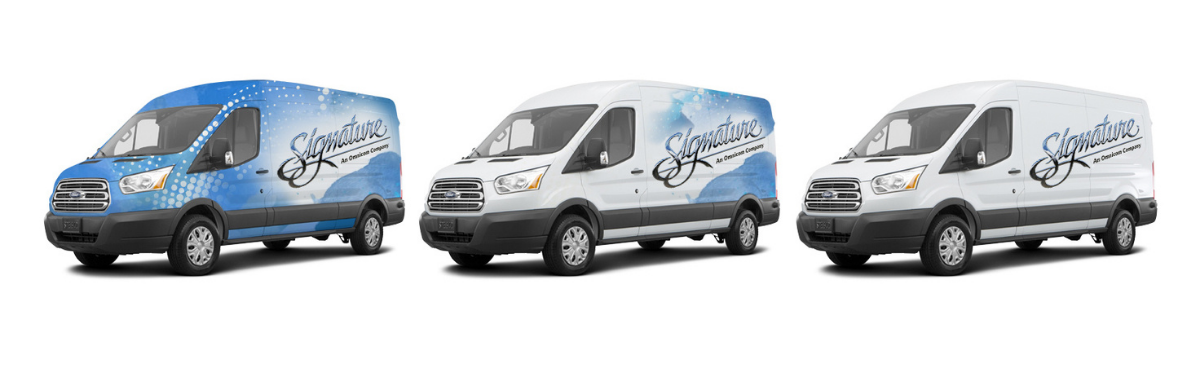
Move your curser over the vehicle below for an example of graphics before and after weather related damage.
Graphics with Proper Care
Graphics Exposed to Elemments
Post-Rain Care: Quick Tips to Extend Lifespan
To keep your graphics looking crisp and professional, follow these simple care steps after a vehicle has been exposed to rain:
Rinse and dry after heavy rain, especially after storms or extended outdoor storage. This helps remove acidic residue and debris.
Use a gentle automotive soap and a microfiber cloth. Avoid abrasive brushes or harsh chemicals that can scratch or fade the vinyl.
Hand-dry your fleet instead of air-drying. This reduces water spotting and keeps finishes looking glossy.
Avoid automatic car washes with high-pressure sprayers or spinning brushes, which can lift film at the edges.
Long-Term Care for Outdoor Fleets
We understand that not every fleet can be stored indoorsโbut that doesnโt mean your branding has to suffer. Consider these longer-term strategies:
Use vinyl-safe sealants or waxes for an added layer of protection. Many are specially formulated to be wrap-friendly and offer UV and moisture defense.
Invest in vehicle covers or shaded parking to reduce both rain and UV exposure.
Schedule routine inspections to check for edge lift, bubbling, or fadingโcatching small issues early helps avoid full rewraps.
Work with a trusted provider (like us!) who uses premium-grade vinyl and certified installation methods for maximum durability.
Your Brand Deserves to ShineโRain or Shine
Fleet graphics are more than decorationโtheyโre rolling billboards and a key part of your brand identity. Protecting them means protecting your brand’s visibility, reputation, and value.
At Signature Graphics, weโre here to support you with not only high-quality wraps but the knowledge and care techniques to ensure they go the distance. Rain or shine, coast to coastโweโve got your brand covered.
We proudly use 3MTM graphic films and overlaminates.
At Signature Graphics, every month is an opportunity to leave a lasting impression โ not just with high-quality fleet branding, but with a commitment to sustainability that drives our decisions and empowers our clients. This Earth Month, weโre celebrating the ways vinyl graphics, efficient production, and thoughtful material usage can support environmental responsibility while keeping your brand on the move.
The Role of Sustainable Branding in Todayโs Market
Todayโs consumers are more environmentally conscious than ever. Businesses across industries are expected to align with green practices, not only in operations but in how they present themselves. Fleet graphics play a surprising and powerful role in this effort.
With vinyl graphics, your fleet becomes a mobile marketing tool that reduces the need for traditional advertising channels like printed billboards and mass mailers. That means fewer paper-based materials, less waste, and longer-lasting brand exposure โ all while helping reduce your companyโs carbon footprint.
Sustainable Benefits of Vehicle Wraps
Longevity Means Less Waste High-quality vinyl wraps can last up to 7 years or longer with proper care. That means fewer replacements, less frequent printing, and reduced material consumption over time. At Signature Graphics, we use premium 3M films backed by the 3M MCSโข Warranty, ensuring long-lasting durability that minimizes environmental impact.
Eco-Conscious Print Processes Signature Graphics employs state-of-the-art printing technology with reduced VOC (volatile organic compound) emissions, energy-efficient production methods, and waste-reduction practices throughout the print cycle. Every project is engineered to minimize excess materials without compromising quality.
Reusable and Removable Graphics Need seasonal or promotional branding? Our removable vinyl solutions allow you to update your look without replacing the entire wrap. Temporary overlays reduce material waste and give you greater flexibility โ a win for your marketing team and the planet.
Our Sustainability in Action
Hereโs how Signature Graphics supports eco-minded branding, every step of the way:
Inventory Management Our Signature Inventory Program reduces unnecessary overprinting and ensures on-demand access to graphics, cutting down waste and storage emissions.
Digital Design-First Approach We eliminate waste by perfecting designs digitally before a single inch of vinyl is printed.
Streamlined Installations Our nationwide install network is coordinated for maximum efficiency โ minimizing travel time and fuel consumption.
Why Earth Month Matters to Us
At Signature Graphics, Earth Month is more than a campaign โ itโs a reminder of our responsibility to future generations. We believe that branding and sustainability can go hand in hand. Whether you’re wrapping a single service van or an entire national fleet, you can trust that your visual identity is being created with care, efficiency, and environmental awareness.
Together, we can make every mile matter.
Ready to Build a Greener Brand?
This Earth Month, let Signature Graphics help your company roll forward with a branding strategy thatโs as sustainable as it is striking. If you’re looking for ways to make your fleet stand out and your values shine, weโre ready to help.