
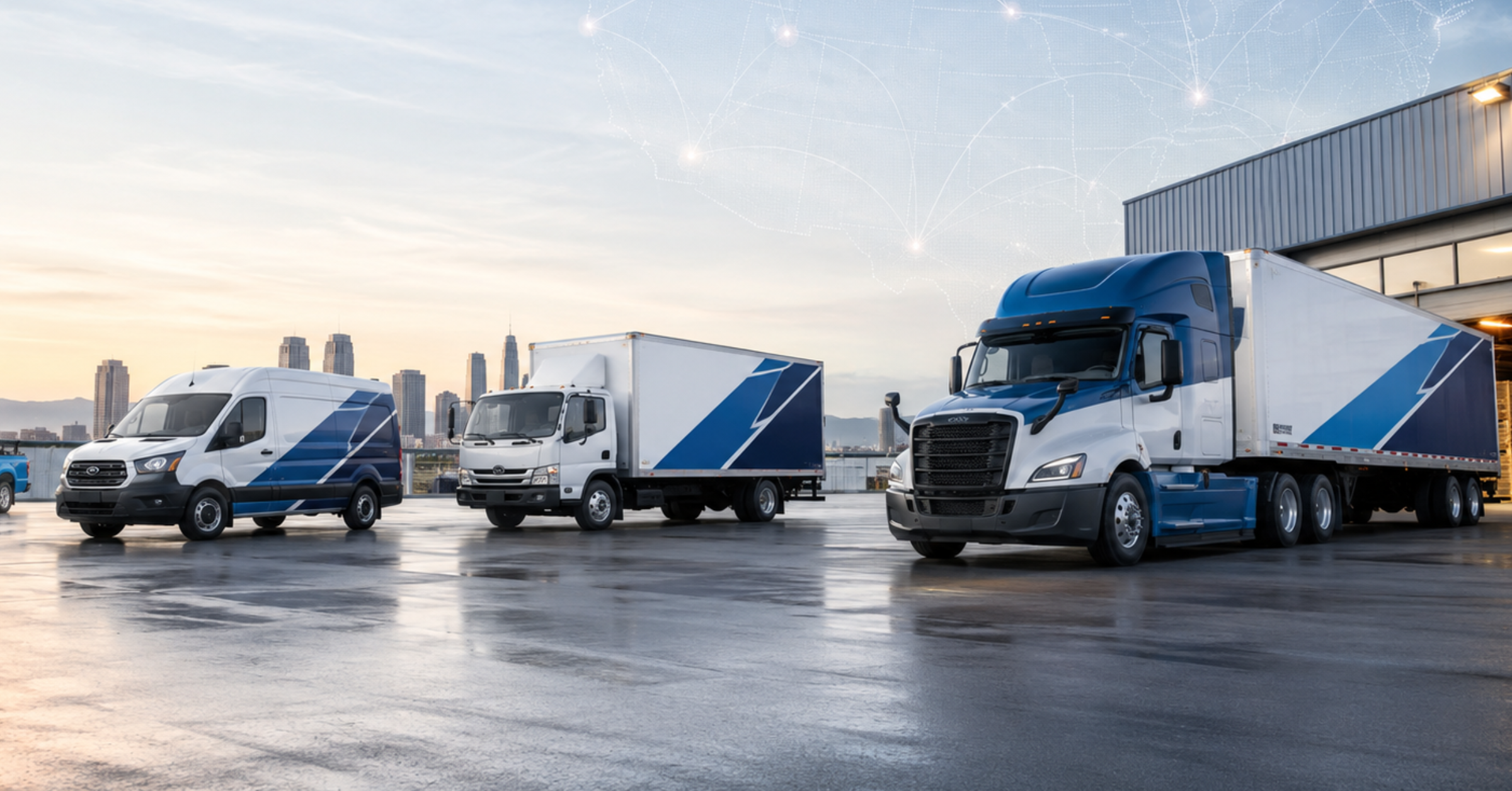
A national fleet rebrand is more than a design update. It is a moving operation with vehicles, teams, locations, schedules, installers, production timelines, and brand standards all working at the same time.
For large fleets, the biggest challenge is not simply creating the new look. It is getting that look applied consistently across every asset without pulling vehicles out of service longer than necessary.
That is where planning becomes critical.
Start With the Full Fleet Picture
Before production begins, every successful fleet rebrand should start with a complete understanding of the assets involved. How many vehicles need updated graphics? Where are they located? Are they the same make and model, or does the fleet include vans, box trucks, trailers, buses, and specialty vehicles?
These details matter because each vehicle type may require different measurements, materials, design adjustments, and installation time. A strong rebrand plan accounts for those differences early so there are fewer surprises once the rollout begins..
Build a Rollout Schedule Around Operations
A fleet rebrand should support the business, not disrupt it. For companies with vehicles on the road every day, timing is everything.
Instead of treating installation as one large event, a phased rollout can help keep the fleet active while graphics are being updated. Vehicles can be scheduled by region, location, priority, route, or asset type. This gives fleet managers more control and helps prevent unnecessary downtime.
The goal is simple. Keep the brand moving while the rebrand is being completed.
Keep Brand Standards Consistent Across Every Unit
Consistency is one of the most important parts of a national fleet rebrand. A customer should recognize the same brand whether they see a vehicle in Chicago, Denver, Dallas, or anywhere else in the country.
That level of consistency requires accurate design files, controlled production, clear installation instructions, and quality checks throughout the process. Even small variations in color, placement, sizing, or finish can weaken the overall impact of the rebrand.
When every vehicle follows the same brand standards, the fleet becomes a stronger and more recognizable marketing channel.
Use Visibility to Reduce Confusion
Large fleet programs involve a lot of moving pieces. Without clear visibility, it can be difficult to know which vehicles are complete, which are scheduled, which need graphics, and which are still waiting for installation.
A centralized program management tool can make this process easier by tracking progress from production through installation. This gives stakeholders a clearer view of the rollout and helps teams make faster, more informed decisions.
Plan for Maintenance After the Rebrand
A fleet rebrand does not end when the final vehicle is installed. Over time, vehicles may be added, removed, repaired, reassigned, or replaced. Graphics may need to be reordered. Damaged panels may need to be updated. New assets may need to match the rest of the fleet.
Planning for long-term brand maintenance helps protect the investment and keeps the fleet looking consistent after the initial rollout is complete.
Final Thoughts
A national fleet rebrand is a major opportunity to strengthen brand recognition, improve consistency, and create a more professional presence on the road. With the right strategy, the process does not have to slow operations down.
By planning early, coordinating installation carefully, and maintaining visibility throughout the program, companies can update their fleet with confidence and keep their brand moving forward.
Ready to plan your next fleet rebrand? Signature Graphics helps brands design, produce, manage, and install fleet graphics at scale.