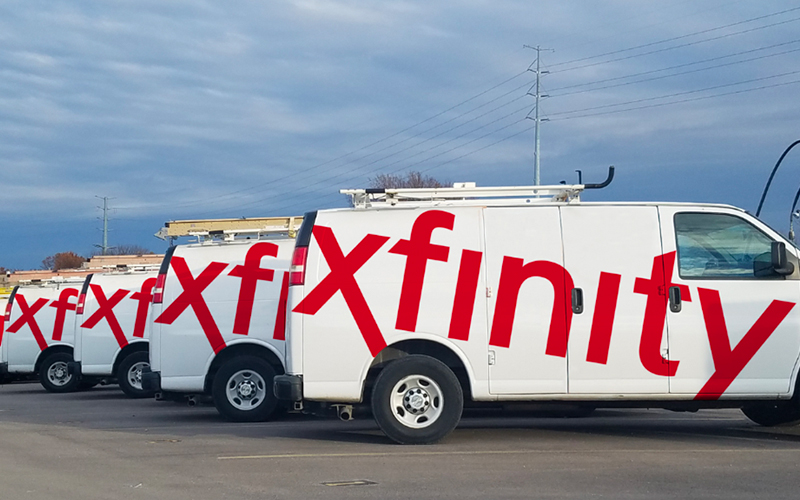
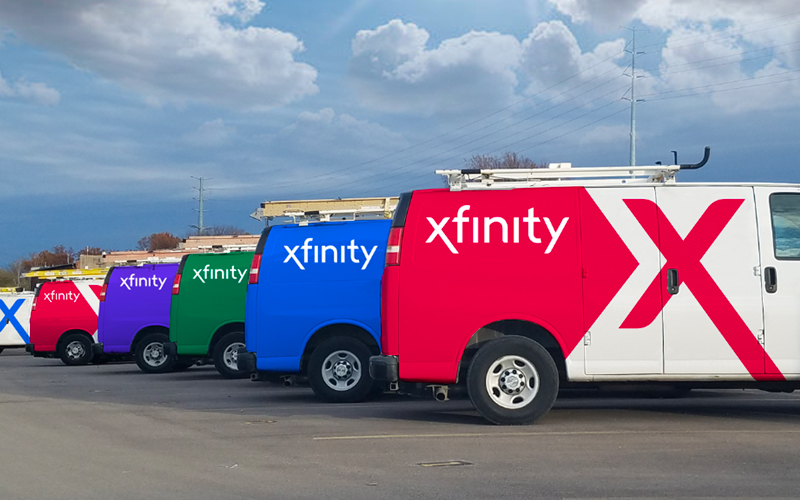
Signature Graphics has built a strong reputation as a leader in custom manufacturing and inventory management.
One of their most valued partnerships has been with ServiceMaster Brands, a national company providing critical services through a vast network of franchisees, corporate-owned entities, dealers, and upfitters.
For over 26 years, Signature Graphics has worked closely with ServiceMaster to deliver tailored, turnkey solutions, including a comprehensive inventory program and custom manufacturing services.
This case study explores how Signature Graphics’ inventory and custom branding solutions have successfully addressed the evolving needs of ServiceMaster, ensuring brand consistency and operational efficiency across their fleet of vehicles and other brand touchpoints.
Background on ServiceMaster Brands and Signature Graphics
ServiceMaster Brands is known for its essential services, which are offered through a network of franchises and corporate-owned entities across the U.S. and beyond. Given the size of their network, maintaining a consistent brand identity across all locations is crucial for their business.
Signature Graphics has been the key partner in managing ServiceMaster’s branding needs, providing both a stock inventory program and custom manufacturing solutions to ensure that brand materials such as vehicle graphics, signage, and promotional assets are easily accessible. The long-standing partnership has enabled ServiceMaster to streamline operations, providing franchisees and corporate entities with fast, reliable access to branded materials.
Challenges Faced by ServiceMaster
Event Coordinator Alla Daniel highlighted the importance of these wayfinding tools in her testimonial:
Before partnering with Signature Graphics, ServiceMaster faced a range of challenges, including:
Ensuring a consistent brand identity across all franchise locations, corporate offices, and service vehicles.
Managing both stock inventory for common branding materials and custom manufacturing for unique needs.
Handling a growing number of vehicle installations while maintaining efficient, timely turnarounds on orders.
Given their large franchise network, ServiceMaster required a highly scalable, flexible solution that could accommodate the unique needs of various stakeholders, from small franchise owners to larger corporate-owned entities.
Signature Graphic’s Solution: Comprehensive Inventory Program
To meet these challenges, Signature Graphics implemented a comprehensive inventory program that offered both stocked items and custom manufacturing.
This program allowed ServiceMaster to maintain its corporate-approved branding standards across various locations.
Key features of Signature’s solution include:
A custom manufacturing program for non-stock, corporate-approved branding materials.
Multiple ordering methods, such as an eCommerce platform, dedicated email channels, and direct order forms. Franchisees, corporate entities, and dealers can order through whichever method best suits their needs.
Installation services to complete the turnkey offerings, ensuring that ServiceMaster’s vehicles are branded quickly and consistently.
By offering a diverse set of solutions, Signature Graphics enabled ServiceMaster to address the unique needs of its franchisees and corporate entities.
Program Success Factors
Several factors contributed to the success of Signature Graphic’s inventory program for ServiceMaster Brands.
Flexible ordering options: Franchisees, corporate-owned entities, dealers, and upfitters could place orders through a variety of channels, including online platforms, email, and direct communication with customer service coordinators.
Dedicated customer service: A team of 3-5 dedicated staff members at Signature Graphics ensured quick response times for orders and inquiries. This personal level of service proved to be a critical element in the program’s success.
Custom and stock solutions: Signature Graphics’ ability to integrate custom manufacturing with stock program options allowed ServiceMaster to address the unique needs of each franchisee, from small-scale orders to large vehicle branding projects.
Scale of the Program: Fleet Touchpoints
Signature Graphics plays a pivotal role in maintaining the branding consistency of ServiceMaster’s large fleet of vehicles.
Each year, Signature ships graphics for between 500 to 1,000 vehicles. This volume speaks to the program’s scalability and its ability to accommodate the growing needs of the ServiceMaster brand as it expands.
With a nationwide fleet and the continued growth of the franchise network, Signature Graphics has proven capable of managing both high-demand periods and the steady stream of requests that come in year-round.
Contact us today to learn how our innovative, easy-to-use graphics can elevate your next event.
Customer Service Commitment
One of the standout features of Signature Graphic’s program for ServiceMaster Brands is its strong customer service commitment.
With a dedicated team of 3-5 Signature employees focused solely on managing ServiceMaster’s account, they are able to provide rapid responses to inquiries and ensure that orders are processed efficiently.
As a key member of the Signature Graphics team commented, “We are unique in our commitment to improving ordering processes, and having a dedicated customer service support staff of 3-5 for rapid attention to ServiceMaster franchisees, corporate entities, dealers, and upfitters positions us as a leader in our industry. We also dedicate time and effort to efficiencies within the graphics program and industry-leading graphic performance and warranties.”
This hands-on approach has earned the trust and satisfaction of ServiceMaster’s diverse network, from franchisees to corporate managers.
The Results: Measurable Impact on ServiceMaster’s Brand Consistency
The impact of Signature Graphic’s inventory program on ServiceMaster Brands has been significant.
The program has helped maintain a consistent brand identity across hundreds of franchise locations and corporate-owned entities, ensuring that vehicles and signage are all in line with the brand’s standards.
The ability to provide timely delivery and rapid response to orders has also helped increase satisfaction among ServiceMaster franchisees and corporate partners, solidifying Signature Graphics as a trusted partner.
Future Outlook
As ServiceMaster continues to expand, Signature Graphics is well-positioned to support their growth.
The inventory program is designed to be flexible, allowing it to adapt to the brand’s evolving needs.
Looking forward, Signature Graphics plans to further streamline the ordering process and continue enhancing its customer service capabilities, ensuring that new franchisees can seamlessly adopt the inventory and branding program as they join the ServiceMaster family.
Lessons Learned and Best Practices
Signature Graphics’ long-standing partnership with ServiceMaster Brands has revealed several best practices for managing large-scale inventory programs
Flexibility is key: Offering multiple ordering channels and a mix of stock and custom options allows the program to adapt to the varied needs of franchisees and corporate entities.
Dedicated customer service ensures rapid response times and customer satisfaction.
Continuous improvement in processes and materials is essential to staying ahead in a competitive industry.
Customer Service Commitment
The 26-year partnership between Signature Graphics and ServiceMaster Brands exemplifies the power of a well-executed inventory program.
By offering a mix of stock inventory and custom manufacturing, and backing it with top-tier customer service, Signature Graphics has helped ServiceMaster maintain a consistent brand identity across its franchise network.
As ServiceMaster continues to grow, Signature Graphics remains committed to improving its solutions, maintaining its position as a leader in the branding and inventory management industry.
We proudly use 3MTM graphic films and overlaminates.
Vinyl wraps have revolutionized the world of vehicle and storefront branding, offering a versatile and cost-effective alternative to traditional paint jobs. However, despite their growing popularity, many myths about the durability of vinyl wraps persist. These misconceptions often deter businesses and individuals from taking full advantage of this innovative solution. In this blog, we’ll debunk five common myths about vinyl wrap durability and shed light on why vinyl wraps are a reliable choice for long-lasting branding.
Myth 1: Vinyl Wraps Are Easily Damaged by Weather
One of the most widespread myths about vinyl wraps is that they can’t withstand harsh weather conditions. Whether it’s scorching heat, heavy rain, or freezing temperatures, the assumption is that vinyl wraps will quickly deteriorate. However, this couldn’t be further from the truth.
Modern vinyl wraps are designed to be highly weather-resistant. They are crafted from durable materials that can endure a wide range of environmental conditions. In fact, vinyl wraps undergo rigorous durability testing before they hit the market. For instance, wraps installed on vehicles in regions with extreme weather, like the intense sun of Arizona or the heavy snow of the Midwest, have proven to maintain their integrity and appearance over time.
Myth 2: Vinyl Wraps Fade Quickly in the Sun
Another common myth is that vinyl wraps are prone to fading when exposed to sunlight. While it’s true that extended exposure to UV rays can cause fading, high-quality vinyl wraps are specifically engineered to resist this.
Most premium vinyl wraps come with built-in UV-resistant properties, and they are often finished with a protective laminate. This laminate acts as a barrier against the sun’s harmful rays, ensuring that the colors and designs remain vibrant for years. When properly installed and maintained, a vinyl wrap can retain its visual appeal even under continuous exposure to direct sunlight.
Myth 3: Vinyl Wraps Are Difficult to Maintain
Some people believe that vinyl wraps require extensive maintenance to keep them looking good. However, maintaining a vinyl wrap is actually quite simple and far less demanding than caring for a traditional paint job.
Regular cleaning with mild soap and water is usually sufficient to keep vinyl wraps in top condition. Unlike paint, vinyl does not require waxing or polishing. Additionally, modern vinyl wraps are designed to resist stains and minor abrasions, making them easier to maintain over time. With proper care, vinyl wraps can continue to look fresh and new for several years.
Myth 4: Vinyl Wraps Damage the Original Paint
A significant concern for many is the misconception that vinyl wraps can damage a vehicle’s original paint. In reality, when professionally installed and removed, vinyl wraps do not harm the underlying paint.
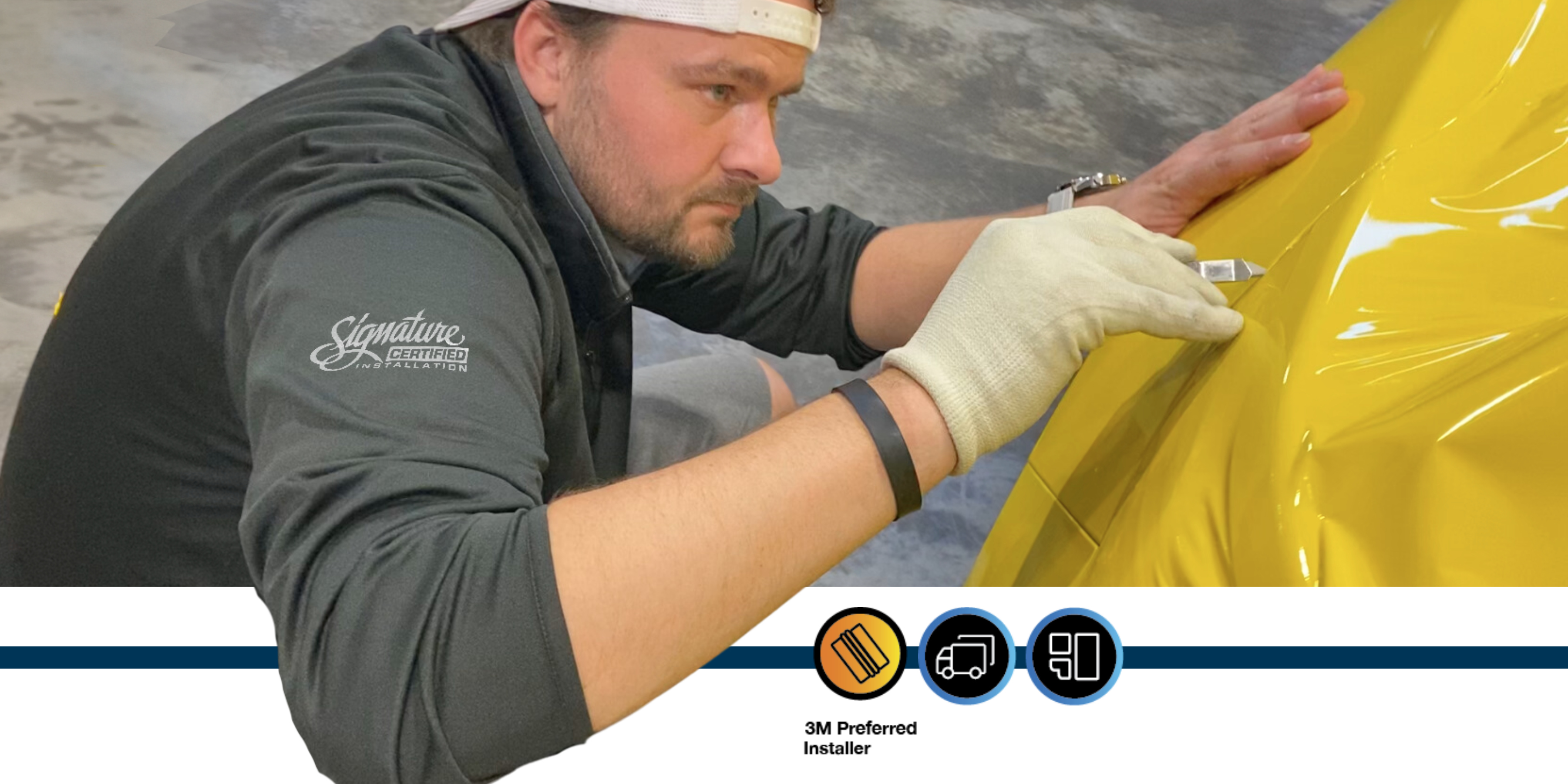
In fact, vinyl wraps can serve as a protective layer, shielding the paint from minor scratches, UV rays, and environmental contaminants. The key to avoiding any potential damage lies in the installation and removal process. Professional installers ensure that the wrap is applied correctly without trapping dirt or air bubbles, and they follow precise techniques to remove the wrap without affecting the paint beneath.
Myth 5: Vinyl Wraps Don’t Last as Long as Paint Jobs
Many assume that vinyl wraps have a shorter lifespan compared to traditional paint jobs. While it’s true that vinyl wraps are not permanent, they are designed to be durable and long-lasting.
A high-quality vinyl wrap can last anywhere from 5 to 7 years, depending on factors such as exposure to the elements and how well it is maintained. This lifespan is comparable to, if not longer than, some paint jobs, particularly when you consider the lower cost and the ease of updating or changing the design. Moreover, if you decide to remove the wrap, your original paint job remains intact and protected, offering flexibility that paint simply cannot match.
The durability of vinyl wraps is often underestimated due to various myths and misconceptions. As we’ve shown, vinyl wraps are not only weather-resistant and UV-protected but also easy to maintain and gentle on your vehicle’s paint. They offer a durable and cost-effective solution for businesses and individuals looking to make a lasting impression. Don’t let these myths hold you back—explore the possibilities of vinyl wraps and give your brand the visibility it deserves.
FAQs
How long do vinyl wraps typically last?
High-quality vinyl wraps can last between 5 to 7 years, depending on factors like exposure to weather conditions, the quality of the installation, and proper maintenance. Regular cleaning and care can extend the lifespan of your vinyl wrap.
Will a vinyl wrap damage my vehicle’s paint?
No, vinyl wraps are designed to protect your vehicle’s paint. When installed and removed by professionals, they do not damage the underlying paint. In fact, wraps can shield the paint from UV rays, minor scratches, and environmental contaminants.
Can vinyl wraps withstand extreme weather conditions?
Yes, modern vinyl wraps are highly durable and can withstand various weather conditions, including intense sun, rain, and cold. They are often UV-resistant and weatherproof, making them suitable for all climates.
Do vinyl wraps fade over time?
While all materials can fade eventually, high-quality vinyl wraps are designed to resist UV rays and maintain their vibrant colors for years. Adding a protective laminate can further enhance their resistance to fading.
How should I maintain my vinyl wrap to ensure its longevity?
Maintaining a vinyl wrap is simple. Regularly wash the surface with mild soap and water, avoid using abrasive materials, and steer clear of automated car washes with brushes. Proper care will help your vinyl wrap stay in top condition for years.
We proudly use 3MTM graphic films and overlaminates.
In the dynamic world of fleet branding, staying ahead of trends is not just an advantage—it’s a necessity.
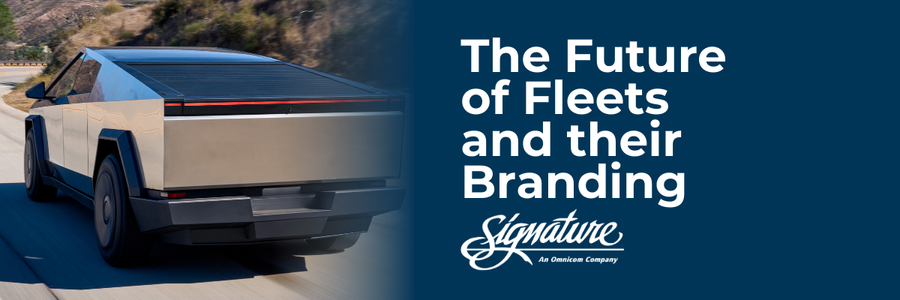
As vehicle manufacturing undergoes a significant transformation with the introduction of materials like stainless steel in the Tesla Cybertruck, the vinyl graphics industry must innovate to keep pace. This evolution demands not only new design and application techniques but also a forward-looking approach that ensures fleets are visually cohesive, contemporary, and durable. Signature Graphics, a leader in the field, is not just planning for these changes but is actively embracing them, ready to meet the future head-on.
The Shift from Fiberglass to Stainless Steel
The transition from traditional fiberglass to advanced materials like stainless steel in vehicles such as the Tesla Cybertruck represents a pivotal change in the automotive industry.
Fiberglass has been a staple in vehicle construction for decades due to its light weight and ease of shaping. However, the robustness and futuristic appeal of stainless steel offer unparalleled benefits in terms of durability and aesthetic appeal.
Stainless steel’s introduction in fleet vehicles, notably with the Cybertruck, challenges the vinyl graphics industry to adapt. Traditional vinyl wraps, designed with fiberglass substrates in mind, face adhesion challenges when applied to stainless steel’s slick, hard surface. This necessitates the development of new adhesive technologies and vinyl formulations that can securely adhere to stainless steel while maintaining the graphics’ integrity and vibrancy.
Innovative Solutions for New Vehicle Materials
Signature Graphics is at the forefront of this innovation. By investing in research and development, Signature Graphics has pioneered new vinyl graphics that are specifically engineered to bond with stainless steel surfaces.
These new materials not only adhere more effectively but also resist the elements better, ensuring that fleet branding remains sharp and clear over time.
For instance, the newly developed adhesive technologies ensure that vinyl wraps on Cybertrucks do not peel or bubble, even under extreme conditions. This advancement is crucial for maintaining a professional appearance, particularly for fleets that operate in diverse and challenging environments. Signature Graphics’ commitment to quality means that clients can trust their brand identity will be preserved impeccably, regardless of the vehicle’s material.
Preparing for the Future of Fleet Branding
As more automotive manufacturers explore and implement advanced materials, the need for compatible branding solutions will only grow.
Signature Graphics is already anticipating these trends, ensuring that their clients are never caught off guard by technological advancements. By continuously refining their techniques and materials, Signature Graphics remains a step ahead, ready to tackle any challenge the future holds.
Expanding Horizons: Beyond Stainless Steel
While the shift to stainless steel is significant, it’s only the beginning. The automotive industry is experimenting with other advanced materials like carbon fiber composites and even 3D-printed components. Each new material presents unique challenges and opportunities for fleet branding.
Signature Graphics is not just responding to these changes but is actively involved in research to understand how these materials interact with different types of vinyl graphics. This proactive approach ensures that they can provide cutting-edge solutions as soon as new vehicle types hit the market.
Conclusions
In a rapidly evolving industry, being prepared for the future is crucial. Signature Graphics exemplifies this readiness, consistently delivering innovative solutions that meet the needs of today while anticipating the demands of tomorrow. By embracing new vehicle materials like stainless steel and developing advanced vinyl graphics that adhere to these substrates, Signature Graphics ensures that their clients’ fleets remain visually stunning and cohesive, no matter what the future holds.
Signature Graphics is not just keeping up with industry changes—we are leading the charge, ready and equipped to transform fleet branding in an era of unprecedented innovation
FAQs
Why are new vehicle materials like stainless steel important for fleet branding?
New materials like stainless steel provide enhanced durability and a modern look, but they require advanced vinyl graphics solutions for effective branding. A decal used on a Ford F150, for example, simply would not adhere to a Tesla Cybertruck. The change in substrate completely transforms the adhesion technology required for graphics that will match the durability of their stainless steel host.
How does Signature Graphics ensure vinyl graphics adhere to stainless steel vehicles?
Signature Graphics works directly with 3M to ensure the specialized adhesive technologies and vinyl formulations that bond effectively with stainless steel surfaces are used when manufacturing branding for these types of projects.
What challenges do stainless steel surfaces present for traditional vinyl wraps?
Stainless steel’s slick, hard surface can cause adhesion issues, leading to peeling or bubbling of traditional vinyl wraps.
Is Signature Graphics prepared for other advanced vehicle materials besides stainless steel?
Yes, Signature Graphics and our partners are actively researching and developing solutions for various advanced materials, including carbon fiber composites and 3D-printed components.
How does Signature Graphics maintain brand consistency across different vehicle materials?
Through innovative design, Signature’s brandRESPONSE brand management program, nationwide installation and sales team, project management teams, and advanced adhesive and material technologies, Signature Graphics ensures cohesive and durable branding across all vehicle types.
We proudly use 3MTM graphic films and overlaminates.
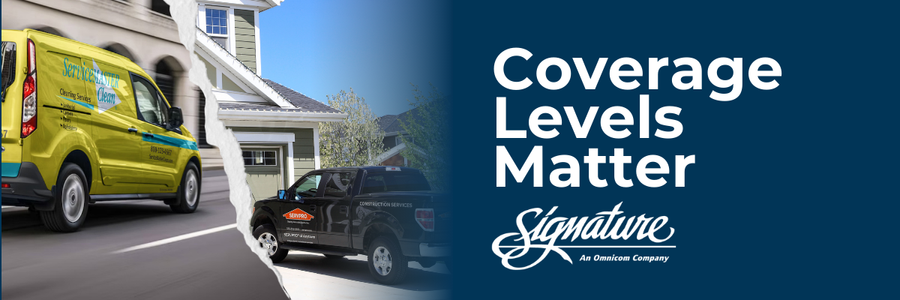
In the world of vehicle branding, vinyl wraps offer an innovative and cost-effective way to promote your business on the go. The level of coverage you choose for your fleet’s vinyl wrap can significantly impact your return on investment (ROI). At Signature Graphics, we specialize in helping our customers optimize their vehicle branding to ensure maximum ROI. In this article, we’ll explore when it’s best to splurge on full coverage and when it’s smart to save with spot graphics. We’ll also delve into how the location and movement of your fleet can influence the effectiveness of different levels of coverage.
The Spectrum of Coverage Options
Vinyl vehicle wraps come in various levels of coverage:
Full Wraps: Cover the entire surface of the vehicle, including windows.
Partial Wraps: Cover significant portions of the vehicle, such as the sides and rear.
Spot Graphics: Smaller decals placed strategically on the vehicle.
When to Spend on Full Coverage
Full wraps are a substantial investment but can yield impressive returns in certain scenarios:
High-Visibility Urban Areas: If your fleet operates primarily in bustling city environments, full wraps can capture the attention of thousands of potential customers daily. For instance, delivery trucks navigating through New York City or Los Angeles will benefit from full wraps, as they stand out amidst heavy traffic and pedestrian activity.
Premium Branding Initiatives: For luxury brands or businesses with a high-end image, full wraps convey professionalism and commitment to quality. A high-end real estate firm using fully wrapped vehicles can project a consistent, polished brand image that resonates with affluent clients.
Strategic Full Coverage: Consider Your Fleet’s Location
The location where your fleet operates can dictate the effectiveness of full coverage:
Sky Scraper Cities: In cities with numerous high-rise buildings, consider incorporating graphics on the roof of your vehicles. This unconventional placement targets office workers and residents looking down from above, adding a unique layer of visibility.
Tourist Areas: Fleets in tourist-heavy locations like Orlando or Las Vegas benefit from full wraps due to the constant influx of new eyes. Eye-catching, vibrant designs can draw attention from the multitude of visitors unfamiliar with local businesses.
When to Save with Spot Graphics
Not every business needs full coverage to achieve an effective ROI. Spot graphics can be just as impactful in the right circumstances:
Local Service Fleets: Businesses such as plumbers, electricians, and landscapers, which operate primarily within specific neighborhoods, can achieve great visibility with well-placed spot graphics. These vehicles often park in residential areas where large, full wraps might be overkill.
Delivery Vehicles: For companies with a large number of delivery vans that frequently stop in various locations, spot graphics with essential information like logos, contact details, and slogans can be sufficient. This approach is cost-effective and still ensures brand presence.
Frequent Highway Travel: Fleets that spend most of their time on highways can opt for spot graphics that highlight brand names and logos. Given the high speeds and limited viewing time, detailed full wraps may not be necessary.
Maximizing ROI with Coverage Choices
The goal is to achieve the best visibility and brand reinforcement without unnecessary expenditure. Here are some examples to illustrate optimal coverage choices:
Full Wraps for Construction Companies: Vehicles that regularly visit construction sites in city centers or suburban developments can use full wraps to advertise their services to passersby and potential clients.
Partial Wraps for Food Trucks: A food truck that operates in a fixed location or rotates through a few key spots can benefit from a partial wrap that highlights its menu and unique offerings, while still being cost-effective.
Spot Graphics for Medical Transport Fleets: Ambulances and non-emergency medical transport vehicles often only need the company name, logo, and contact information prominently displayed. Spot graphics can achieve this without overwhelming the vehicle’s appearance.
Conclusion
Choosing the right level of vinyl wrap coverage for your fleet can significantly impact your marketing ROI. By considering your business type, target audience, and fleet location, you can make an informed decision that balances cost with visibility. At Signature Graphics, we are committed to helping you find the perfect balance, ensuring that your vehicle branding is both effective and economical. Whether you need full wraps, partial wraps, or spot graphics, our team is here to guide you every step of the way.
FAQs
What are the benefits of full vehicle wraps?
Full vehicle wraps provide maximum visibility, making a strong visual impact in high-traffic areas and conveying a professional image for premium brands.
How do partial wraps compare to full wraps in terms of cost?
Partial wraps are generally less expensive than full wraps while still offering significant branding opportunities, especially for targeted promotions or specific parts of the vehicle.
Are spot graphics effective for branding?
Yes, spot graphics can be highly effective for certain types of fleets, particularly those operating in localized areas or on highways where quick, clear branding is necessary.
How does fleet location influence wrap coverage decisions?
The operating environment of your fleet, such as urban areas with skyscrapers or tourist-heavy locations, can determine whether full coverage or more strategic placement of graphics is beneficial.
Can vinyl wraps damage my vehicle’s paint?
No, high-quality vinyl wraps actually protect your vehicle’s paint from UV rays and minor abrasions, and they can be removed without damaging the original paint.
We proudly use 3MTM graphic films and overlaminates.
Applying vehicle wraps requires specific body conditions to ensure a smooth, long-lasting finish. From waiting for newly painted vehicles to cure to understanding how wraps can protect the original paint, this guide covers all you need to know for a flawless vehicle wrap.
Ensuring a Flawless Finish
Vehicle wraps and branding graphics have become a popular choice for personalizing and advertising on cars. However, achieving a perfect application requires more than just sticking on the graphics. In this guide, we’ll dive into the necessary body conditions to ensure your vehicle wrap adheres properly and lasts as long as possible. We’ll discuss the importance of waiting for newly painted vehicles to cure, dealing with body damage and rust, and how wraps can actually protect your vehicle’s paint.
The Importance of Full Cure Time
Newly painted vehicles might look ready for a wrap, but it’s crucial to wait for the paint to fully cure before applying any graphics. Fresh paint can take anywhere from a few days to several weeks to completely cure, depending on the type of paint and environmental conditions.
Why wait?
Adhesion Issues: If the paint hasn’t fully cured, the adhesive on the wrap may not stick properly, leading to bubbles, peeling, and an uneven finish.
Paint Damage: Applying a wrap too soon can damage the paint, pulling off layers or causing discoloration.
Recommended Wait Times
Acrylic Enamel Paint: Typically 1-3 weeks
Urethane Paint: Often needs at least 30 days
To be safe, always consult with your paint provider to understand the specific curing time for your vehicle’s paint type.
The Impact of Imperfections
A vehicle’s surface condition plays a significant role in the success of a wrap application. Body damage, rust, and even small dents can cause major issues.
Body Damage
Texture Matters: Wraps conform to the exact texture of the vehicle. Any dents or scratches will be clearly visible, potentially ruining the intended smooth look of the wrap.
Repair First: It’s essential to fix any body damage before applying a wrap. This ensures the wrap lays flat and maintains its design integrity.
Rust
Adhesion Problems: Rusty areas do not provide a good surface for the adhesive. The wrap can lift and peel off from these spots.
Spreading Rust: Covering rust without treating it can trap moisture, causing the rust to spread more quickly under the wrap.
Steps to Take
Inspect the Vehicle: Before wrapping, thoroughly inspect the vehicle for any signs of damage or rust.
Repair as Needed: Address any imperfections, repair dents, and treat rust.
Smooth Surface: Ensure the vehicle’s surface is as smooth as possible for the best adhesion and appearance.
Preserving Your Paint
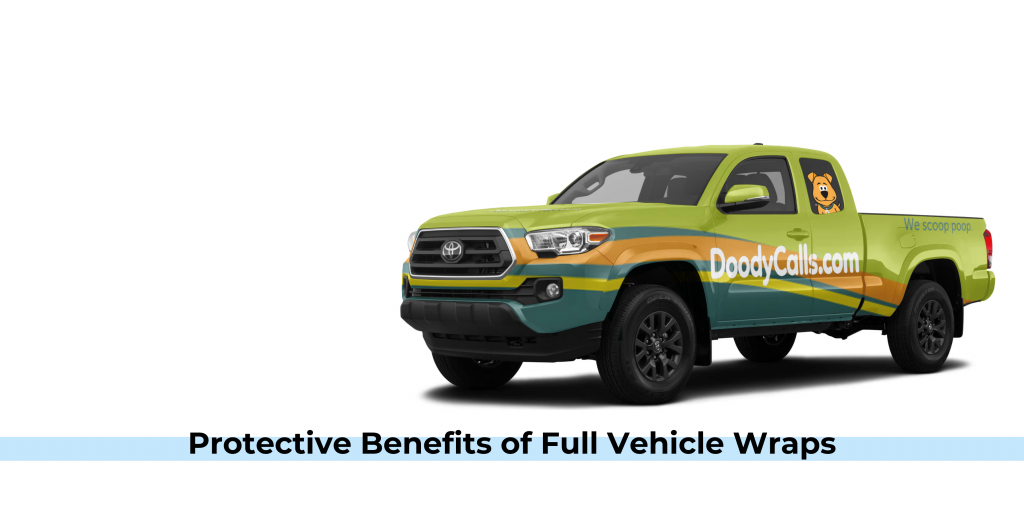
One of the lesser-known benefits of applying a full vehicle wrap is the protection it offers to the original paint.
Protection from Scratches and Sun Damage
Scratch Guard: The vinyl used in wraps is durable and can absorb minor scratches and dings, preventing them from reaching the paint underneath.
UV Protection: High-quality wraps include UV protection, shielding your paint from the sun’s harmful rays that can cause fading and oxidation.
Resale Value
Preserving the Original Paint: Since the wrap acts as a protective layer, the paint underneath remains in pristine condition. When the wrap is removed, the vehicle looks almost as good as new.
Higher Resale Value: A vehicle with well-preserved paint generally has a higher resale value, making wraps a smart investment.
Conclusion
Applying vehicle wraps isn’t just about aesthetics; it’s about ensuring the vehicle’s body is in the right condition for a smooth, durable application. By waiting for new paint to cure, repairing any body damage, and understanding the protective benefits of wraps, you can achieve a flawless finish that not only looks great but also preserves the value of your vehicle. Always take the time to prepare your vehicle properly, and you’ll reap the benefits of a stunning and long-lasting wrap.
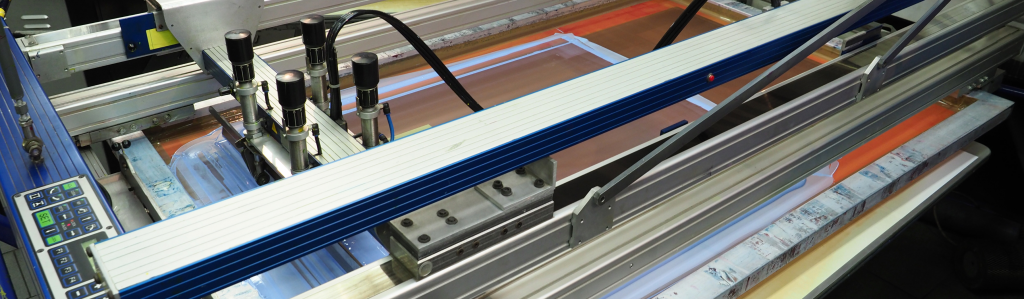
In the world of vehicle graphics manufacturing, the “ancient art” of screen printing has become a nearly impossible-to-come-by craft. While most manufacturers have shifted towards digital printing, Signature Graphics continues to uphold the timeless tradition of screen printing. But why? What makes screen printing so special, and how does it compare to its digital counterpart? Let’s dive into the fascinating world of screen printing, guided by insights from Bob Steele, the veteran manager of Signature’s screen print department.
The Lost Art of Screen Printing in Large Print Graphics Advertising
Screen printing, once a cornerstone of the printing industry, is now a rare skill, especially in the context of large print graphics advertising. At Signature Graphics, we understand the value of this traditional technique, particularly when it comes to vehicle graphics. Digital printing, although widely used and appreciated for its flexibility and convenience, sometimes falls short in areas where screen printing excels. For instance, achieving perfect brand color consistency can be a challenge with digital printing. Screen printing, on the other hand, ensures that every print maintains the exact hue and vibrancy required, making it ideal for massive quantities and long-term advertising.
Cost-Effective Solutions for Large Branding Projects
When it comes to large-scale branding projects, screen printing often proves to be more cost-effective than digital printing. Here’s why:
Color Consistency: Screen printing offers unparalleled color accuracy, crucial for maintaining brand integrity across numerous prints.
Speed: For large quantities, screen printing can be significantly faster than digital printing. Once the screens are set up, the process is streamlined and efficient.
Durability: Screen-printed graphics tend to be more durable, making them ideal for long-term outdoor use.
Bob Steele, who has been managing Signature’s screen print department for nearly 35 years, emphasizes these benefits. “The quality, longevity, and reliability of screen printing are unmatched, especially for long-term advertising,” he says.
Insights from Bob Steele:
The Heart of Signature’s Screen Print Department
Bob Steele’s extensive experience and dedication have been instrumental in maintaining the high standards of Signature’s screen print department. Here are some key insights from his tenured experience and priceless expertise:
Experience in Managing the Department:
“My experience has led to many rewarding attributes while managing our screen print department,” Bob shares. “Watching the company grow and being a part of such a successful corporation, developing and continuing to grow as a manager and colleague, and building lifelong friendships.”
Ensuring Quality Control:
Quality control is paramount in screen printing. According to Bob, “Quality control is achieved by managers’ constant observance of every aspect of the job and proper training of our catchers and operators.”
Training and Motivating the Team:
Training and motivating employees is a cornerstone of maintaining high standards and productivity. Bob believes in a hands-on approach, stating, “I feel training and motivating my employees is done best by first interacting and treating them with respect and showing them that even managers are hands-on employees.”
Challenges and Future Goals:
The biggest challenge facing the screen print industry, particularly for fleet graphics, is the rarity of screen print capabilities at large scales. “Signature Graphics is definitely a rare company that still stands by the quality, longevity, and reliability of the ‘ancient art’ of screen printing,” Bob notes. Despite the industry’s shift towards digital printing, Bob plans to continue growing and adapting Signature’s screen printing capabilities with the help of his colleagues. Bob and the rest of the team at Signature understand that there will always be an important use for screen printing when it comes to manufacturing top tier branding; this is an art to be utilized and improved upon, not abandoned for a less effective, digital alternative.
Conclusion: The Future of Screen Printing at Signature Graphics
At Signature Graphics, we’re proud to uphold the technique of screen printing in the vehicle graphics industry. The benefits of screen printing—color consistency, cost efficiency, and durability—make it an invaluable technique, especially for large branding projects.
As Bob Steele eloquently puts it, “With the help of Tim Guse (C.E.O. at Signature Graphics) and Mark Smith (C.O.O. at Signature Graphics), we will continue to grow and adapt our screen printing capabilities to the graphics world as we know it.”
By combining the timeless art of screen printing with modern innovations, Signature Graphics ensures that every project not only meets but exceeds our clients’ expectations. So, while digital printing will continue to play a vital role, screen printing remains an irreplaceable part of our toolkit, preserving the rich heritage of print craftsmanship.
We proudly use 3MTM graphic films and overlaminates.
In the competitive world of retail, the ability to attract and retain customers hinges significantly on strategic promotional planning.
Implementing a year-round promotional calendar can transform sporadic sales into a consistent increase in customer traffic and sales. This article discusses the benefits and methodologies of maintaining a comprehensive promotional schedule that aligns with business goals, enhances customer engagement, and maximizes profits throughout the year.
The Importance of Strategic Promotion Planning
Promotions are not just about temporary boosts in sales; they are strategic tools that can significantly enhance brand visibility and customer loyalty. A well-planned promotional calendar ensures that retailers are always one step ahead, preparing for consumer demand spikes and seasonal opportunities.
Benefits of a Year-Round Promotional Calendar
A continuous promotional strategy helps businesses manage resources more efficiently, ensures consistent customer engagement, and avoids the pitfalls of unplanned, reactive marketing. By anticipating and strategically planning for key dates and events, retailers can optimize their inventory, staffing, and marketing efforts, leading to better outcomes and customer satisfaction.
Section 1: Understanding Your Market
Market Analysis
In the dynamic world of retail, understanding market trends, customer demographics, and buying patterns is foundational for crafting effective promotional strategies.
This analytical process begins with gathering data on market trends to anticipate shifts in consumer preferences and economic influences. Retailers must also delve into demographic analysis to understand the age, gender, income levels, and cultural backgrounds of their target audience. This helps in creating promotions that appeal directly to the core customer base.
Additionally, examining buying patterns over different periods can reveal insights into consumer behavior, such as peak buying times, product preferences, and sensitivity to price changes. With these insights, retailers can design promotions that not only attract attention but also drive conversions by aligning with the specific needs and expectations of their customers.
Competitor Analysis
Understanding the competitive landscape is critical for any retail business aiming to stand out in a crowded market.
A thorough competitor analysis involves examining other retailers’ promotional tactics, pricing strategies, product offerings, and customer engagement methods. This includes monitoring how competitors use sales events, loyalty programs, and digital marketing tactics to attract customers.
By analyzing these factors, retailers can identify gaps in competitors’ strategies or areas where they excel. This insight allows businesses to craft promotions that capitalize on these gaps or counteract competitors’ strengths. For example, if a competitor succeeds with a premium pricing strategy, a retailer might introduce value-focused promotions to attract cost-conscious consumers. This strategic use of competitor analysis not only helps differentiate a retailer’s offerings but also enables them to tactically position themselves in the market to capture additional share.
Section 2: Setting Promotional Objectives
Aligning with Business Goals
For promotions to effectively contribute to a retail business’s success, they must be aligned with broader business goals.
This alignment means that every promotional effort should have a clear purpose, whether it’s to increase overall sales, reduce excess inventory, or strengthen customer loyalty. For instance, if the primary business goal is to enhance brand recognition, promotions might focus on high-engagement activities like social media contests or co-marketing with well-known brands.
This strategic alignment ensures that each promotional campaign not only meets short-term sales targets but also contributes to the long-term objectives of the business, such as market expansion or brand positioning. It also ensures that resources are allocated efficiently, maximizing the impact of promotional activities on overall business performance.
SMART Goals
Setting Specific, Measurable, Achievable, Relevant, and Time-bound (SMART) goals for each promotion is essential. This goal-setting framework helps ensure that promotions are thoughtfully planned and outcomes can be reliably measured.
Specific: Goals should be clear and specific to avoid ambiguity. For example, instead of aiming to “increase sales,” a specific goal would be “increase sales of Product X by 10% during the promotional period.”
Measurable: Each goal must have criteria for measuring progress. This could be through sales figures, foot traffic counts, or online engagement metrics.
Achievable: Goals should be realistic, considering the current market conditions and the resources available. Setting unattainable goals can demotivate the team and result in wasted resources.
Relevant: The goals must align with the broader business objectives and should directly impact the desired outcomes. For example, if the aim is to clear inventory, the promotion should specifically target overstocked products.
Time-bound: Each goal should have a clear timeline, which not only creates a sense of urgency but also allows for a focused measurement of outcomes post-promotion.
By employing the SMART framework, retailers can ensure that each promotional activity is strategic, accountable, and optimized for success, contributing to a robust and effective year-round promotional calendar.
Section 3: Promotional Strategies
Seasonal Promotions
Seasonal promotions are a cornerstone of the retail marketing calendar, targeting specific times of the year when consumer spending is traditionally high.
Planning for key retail dates such as holiday seasons, Black Friday, Cyber Monday, back-to-school periods, and summer sales allows retailers to craft targeted campaigns that attract more customers and maximize revenue during peak shopping times. Effective seasonal promotions often involve themed advertising, special discounts, exclusive products, and festive in-store displays that create a buzz and draw in crowds.
For instance, during the holiday season, retailers might offer limited-time products or gift bundles that are only available during this period, making them more attractive to shoppers looking for unique holiday gifts. Similarly, back-to-school promotions could include special pricing on bundles of school supplies, clothing, and electronics, tailored to the needs of students and parents preparing for the new school year.
Event-Driven Promotions
Event-driven promotions take advantage of local events, store anniversaries, or significant cultural dates to engage with the community and attract specific demographic groups.
These promotions are highly effective in creating a localized appeal and can significantly enhance brand presence in targeted markets.
For example, a retailer could coordinate a promotion around a local music festival by offering discounts on festival-related merchandise or services. Similarly, celebrating a store anniversary with special deals, giveaways, or a customer appreciation event can generate excitement and draw customers into the store. These promotions not only increase sales but also strengthen customer relationships by aligning the brand with local community events and celebrations.
Loyalty Programs
Loyalty programs are designed to reward repeat customers, thereby increasing customer retention, and boosting the lifetime value of each customer.
These programs should offer tangible benefits that motivate continued engagement, such as exclusive discounts, early access to new products, or points-based rewards systems that customers can redeem for products or services.
To be effective, loyalty programs must be easy to understand and use, with clear communication about how customers can earn and redeem rewards. Additionally, they should be personalized as much as possible, using customer data to tailor rewards and promotions to the preferences and buying habits of individual customers.
Section 4: Tactical Planning
Channel Selection
Selecting the right promotional channels is crucial to reaching the target audience effectively.
Whether online, in-store, through social media, or via email marketing, each channel offers distinct advantages and reaches different segments of the market. Online channels, for example, allow for broad reach and precise targeting through digital ads, while in-store promotions can leverage the immediacy and sensory experience of physical shopping.
The choice of channel should depend on where the target customers are most active and their shopping preferences. For instance, younger demographics might be more effectively reached through social media platforms like Instagram or TikTok, whereas older customers may respond better to email promotions or in-store events.
Budgeting
Effective budget allocation is critical for maximizing the return on investment of promotional activities.
Budgets should be planned based on historical data and expected outcomes, taking into account the cost-effectiveness of different promotional channels and strategies.
It’s important to allocate enough resources to cover all aspects of a promotion, from production and marketing to staffing and follow-up activities. Retailers should also be prepared to adjust budgets as needed based on real-time performance and feedback, ensuring that resources are being used efficiently to achieve the best possible outcomes.
Integration
Ensuring that promotional efforts are integrated across all channels is essential for a cohesive customer experience.
This means that messaging and branding should be consistent whether a customer is shopping online, in a physical store, or interacting with the brand on social media.
Integrated promotions leverage multiple channels to reinforce the campaign message, increasing the overall effectiveness of the promotion. For example, an online ad might drive customers to a landing page with more details about an in-store event, while social media posts can be used to create buzz and encourage participation. This unified approach not only strengthens the brand message but also enhances the customer’s overall experience with the promotion.
Section 5: Execution and Management
Technology Tools
In today’s digital age, leveraging the right technology tools is fundamental in managing and optimizing promotional campaigns efficiently.
Advanced software solutions for scheduling, tracking, and analyzing promotions enable retailers to maintain oversight of multiple campaigns simultaneously, ensuring that each runs smoothly and according to plan. These tools can automate repetitive tasks, like posting on social media at optimal times or sending targeted email campaigns, freeing up team members to focus on more strategic activities.
Moreover, analytical tools can provide real-time data on the performance of promotions, allowing for quick adjustments to maximize effectiveness. For instance, a digital dashboard can show live data from various promotional channels, helping managers to quickly assess which promotions are performing well and which may need to be tweaked or discontinued.
Team Roles and Responsibilities
Effective execution of promotional plans requires a well-organized team where each member understands their specific responsibilities.
Clear delineation of roles ensures that all aspects of a promotion are covered, from the initial planning stages through to execution and post-promotion analysis. For example, while one team member might be responsible for digital content creation, another focuses on logistics for in-store promotions, and another manages customer service inquiries related to the promotion.
Regular team meetings and updates are also vital to ensure everyone is on the same page and to address any issues that may arise during the course of the campaign. This coordination helps maintain a unified approach to achieving the set promotional goals.
Compliance and Legal
Ensuring compliance with relevant laws and regulations is crucial in the execution of any promotional campaign..
This includes adhering to advertising standards, respecting privacy laws when collecting and using customer data, and ensuring that all promotions are accessible and non-discriminatory. Non-compliance can result in significant legal penalties and damage to a brand’s reputation.
Retailers must stay informed about the legal requirements in each market they operate in and should consider consulting legal experts when planning complex promotions or entering new markets. Regular training sessions for the team can also help in maintaining compliance and preventing legal issues.
Section 6: Measurement and Optimization
KPIs and Metrics
Defining clear Key Performance Indicators (KPIs) for each promotion is essential to evaluate its success and guide future campaigns.
These metrics may include sales volume, revenue increase, customer engagement levels (such as social media interactions or website visits), and customer acquisition and retention rates. By setting these metrics in advance, retailers can objectively assess the effectiveness of each promotion.
For example, if the goal of a promotion is to increase brand awareness, relevant KPIs might include measures of social media reach and the number of new followers. Conversely, a promotion aimed at increasing sales would focus on KPIs like the percentage increase in sales during the promotional period compared to a baseline period.
Feedback Loops
Collecting and analyzing customer feedback is a critical component of the promotional process.
Feedback helps retailers understand customers’ perceptions of the promotion, what worked well, and what didn’t. This information can be invaluable in refining future promotional strategies.
Methods for collecting feedback include customer surveys, social media monitoring, and direct customer interactions. The insights gained should be regularly reviewed and incorporated into the planning of future promotions, ensuring that each campaign is more aligned with customer expectations and preferences.
Continuous Improvement
The pursuit of continuous improvement in promotional strategies is what distinguishes successful retailers.
This means regularly analyzing the outcomes of promotions, learning from successes and failures, and adapting strategies accordingly. Continuous improvement involves testing new ideas and being willing to innovate in response to changing market conditions and customer feedback.
By fostering a culture of experimentation and feedback, retailers can keep their promotional strategies fresh and effective, ensuring they continue to meet the needs of their customers and stay ahead of competitors. This ongoing process of refinement and adaptation helps to ensure long-term success in a dynamic retail environment.
Detailed Process for Planning Retail Promotional Graphics
Concept Development
Idea Generation: Are you looking to provide your own creative concepts, or would you prefer to collaborate with our seasoned creative team?
Vision Alignment: Discuss and align on the campaign’s vision, goals, and the emotional impact you want to achieve with your graphics.
Timeline Planning
Key Dates: Identify and agree on the critical milestones, including the campaign launch date, installation deadlines, and any date-specific promotional events.
Production Schedule: Backtrack from the installation date to determine start dates for design, production, and shipping to ensure timely completion.
Budgeting
Cost Estimation: Review and set a budget that reflects the scope and scale of your promotional campaign.
Resource Allocation: Decide how to best allocate the budget across design, production, materials, and installation to maximize the impact of available funds.
Design
Artwork Creation: Start the design process based on the agreed concepts, incorporating brand elements, and campaign messaging.
Revisions and Approval: Iterative process to refine the graphics with opportunities for feedback and final approval to ensure alignment with the campaign goals.
Production
Material Selection: Choose the appropriate materials and finishes for the graphics based on durability needs and visual impact.
Printing and Manufacturing: Production of the graphics using state-of-the-art technology to ensure high quality and consistency.
Logistics
Geographic Optimization: Plan production and installation based on geographic logistics to minimize shipping times and costs.
Installation Planning: Coordinate with local teams across the nation for installation, ensuring all materials are on-site and ready by the set deadlines.
Installation
Site Preparation: Ensure that the retail locations are prepared for installation, including necessary space clearances and staff notifications.
Execution: Professional installation of the graphics to transform retail spaces into engaging promotional environments.
Evaluation
Quality Check: Post-installation reviews to ensure the graphics meet the quality and impact expectations.
Feedback Collection: Gather feedback from store managers and customers to gauge the effectiveness of the graphics and identify areas for improvement.
Reporting & Analysis
Performance Analysis: Assess the promotional campaign’s impact on foot traffic, customer engagement, and sales uplift.
Learnings and Insights: Document insights and learnings to inform future campaigns, optimizing strategies for better results.
Conclusion
In the fast-paced and ever-evolving world of retail, strategic promotional planning is essential for staying competitive and maximizing profitability.
By understanding your market, setting clear promotional objectives, employing tactical planning, and executing effectively, retailers can enhance customer engagement, increase sales, and build lasting brand loyalty.
However, the complexity of managing year-round promotions, ensuring compliance, and optimizing for continuous improvement can be challenging, especially when resources are stretched thin. This is where partnering with a seasoned expert like Signature Graphics can make a significant difference.
Signature Graphics specializes in retail graphics solutions that capture attention and drive sales. With our expertise, we can help design and implement impactful promotions that resonate with your target audience. We understand the unique demands of the retail sector and offer flexible installation services during off-business hours, including nighttime setups, to minimize disruption and maximize efficiency.
Our ability to meet tight deadlines ensures that your promotional campaigns are executed on time, every time, even under the most demanding schedules. Additionally, our advanced project management tools provide you with the convenience and control to monitor the status of your projects directly from your computer, giving you peace of mind and freeing you to focus on other critical aspects of your business.
At Signature Graphics, we are committed to helping you succeed. If you’re ready to enhance your promotional strategies and see real results, we invite you to reach out to us. Let’s make your next promotion not just another campaign, but a milestone in your success story. Together, we can create stunning visual experiences that bring your brand to life and keep customers coming back for more.
For a partnership that transforms your promotional concepts into compelling retail realities, contact Signature Graphics today. Let us help you make every promotion a success.
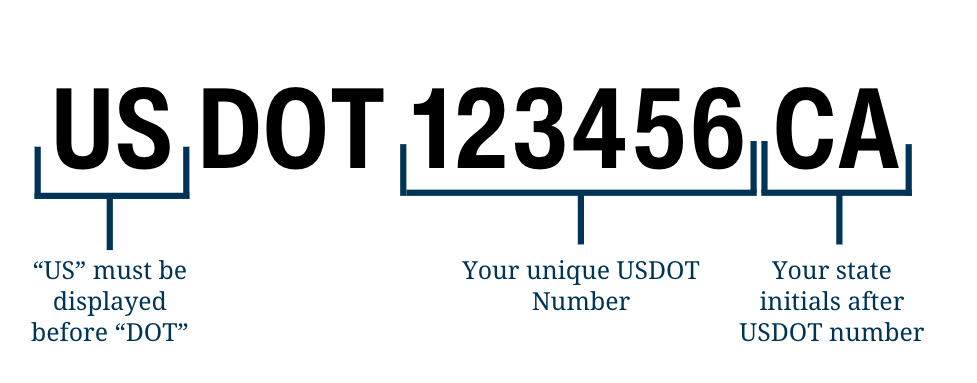
As the world’s leading fleet graphics provider, Signature understands the importance of compliance and branding for fleets, both nationwide and globally. One crucial aspect of fleet operation that often comes into play is the requirement for USDOT numbers and their proper display. In this article, we’ll delve into the specifics of when USDOT numbers are required and where they need to be displayed, along with key information on size requirements and placement.
Understanding USDOT Numbers
A USDOT number, issued by the U.S. Department of Transportation (USDOT), is a unique identifier assigned to commercial vehicles and carriers involved in interstate commerce. These numbers are crucial for regulatory compliance and safety monitoring purposes. While not all vehicles are required to display USDOT numbers, certain circumstances mandate their use.
When USDOT Numbers are Required
Interstate Commerce: Vehicles engaged in interstate commerce, which involves transporting goods or passengers across state lines, typically require a USDOT number. This applies to commercial vehicles with a gross vehicle weight rating (GVWR) or gross combination weight rating (GCWR) of 10,001 pounds or more.
Intrastate Operations: Some states may also require USDOT numbers for vehicles involved in intrastate commerce, depending on state-specific regulations. It’s essential to check the requirements of individual states where operations occur.
Size Requirements for USDOT Numbers
The USDOT number must be displayed on the vehicle in a specific size to ensure visibility and compliance. According to USDOT regulations:
Height Requirements: USDOT numbers must be at least two inches in height on commercial motor vehicles.
Contrast: The numbers must be in a color that contrasts sharply with the background color of the vehicle.
Placement: The numbers should be displayed on both sides of the vehicle, preferably on the exterior portion of the vehicle’s power unit or cab.
Where to Display USDOT Numbers
Proper placement of USDOT numbers is crucial for compliance and visibility. Here are the key guidelines for displaying USDOT numbers:
Exterior of Vehicle: USDOT numbers must be prominently displayed on both sides of the vehicle, preferably on the cab or power unit. The numbers should be easily readable from a distance and not obstructed by any accessories or decals.
Size and Legibility: Ensure that the numbers meet the minimum height requirement of two inches and are clearly legible. Avoid placing them in areas where they may be obscured by dirt, debris, or other objects.
Signature’s Expertise in Fleet Branding and Compliance
At Signature, we specialize in fleet branding solutions that not only enhance your brand’s visibility but also ensure compliance with regulatory requirements. Our global installation services and exclusive brand management platform, brandRESPONSE, empower fleet managers to monitor and maintain their fleet’s branding and compliance status effortlessly.
Whether you’re seeking to improve your fleet’s visibility, enhance brand recognition, or ensure compliance with USDOT regulations, Signature has the expertise and resources to meet your needs. Contact us today to learn more about our comprehensive fleet branding solutions.
In conclusion, understanding when USDOT numbers are required and where to display them is essential for fleet operators to maintain compliance and ensure safety on the road. By adhering to size requirements and proper placement guidelines, fleets can enhance their visibility and brand presence while meeting regulatory obligations. Trust Signature for all your fleet branding needs, and drive with confidence on every mile of your journey.
Experience matters when it comes to semi-truck graphics, and Signature Graphics’ knowledgeable team can provide a creative, consistent and complete package of graphics for your fleet. We proudly offer high-quality 3M materials and our “signature” technology, brandRESPONSE, to manage the process from concept to completion. Get in touch today.
Companies have a new way of thinking about their key asset: their brand. Previously, brands were primarily associated with products and services. Today, they’re seen as an asset that can be used across different media and formats to build associations with a target audience. That’s why many companies are embarking on an extensive rebranding journey – where the main objective is to extend the value of their brand while refreshing, strengthening, or widening its meaning. We will explore how brands are viewing their assets differently and how fleets are an essential component to these efforts.
Why Rebrand?
Rebranding can be used as a strategy to remove negative associations, reposition in a more favorable way, or extend the reach of a brand. Many companies have rebranded in the past decade because it’s an opportunity to update their brand’s image or reposition to stay relevant in the changing marketplace. In today’s fast-paced world, businesses need to stay relevant and contemporary – or risk being left behind by competitors. Here are a few of the major drivers behind companies choosing transformation:
Your Business Has New Products and/or Services – For companies that have expanded their product or service offerings, it could be time to rebrand and showcase those changes.
Too Many Deviations of Your Brand in the Marketplace – Consistent messaging across all media and marketing channels, including your fleet, is key to establishing a strong brand identity. If you have various iterations of past branding across assets and lack uniformity, you risk a diluted message in the marketplace. Consistency will help you build trust with customers and engage with them.
Your Current Graphics Need a Refresh – While premium graphics have the durability and longevity to last you seven to ten years, substandard materials can degrade much sooner and may need a refresh. If you observe lifting or peeling of the material, faded graphics from sun exposure, or missing letters in ad copy it’s important to consider the message that those conditions will convey about your brand.
You’ve Undergone a Merger or Acquisition – Merging companies most likely have differing brand perceptions in the marketplace that will need to be united under an entirely new brand umbrella. By displaying the identity of the new organization on vehicles, branding can be communicated to stakeholders and the public. Vehicle graphics can be a daunting task after a merger or acquisition. Signature offers tools to get it done quickly, cost-efficiently, and with minimal disruption to the company’s operations. Vehicle graphics can reinforce the message of the new organization, helping to build recognition and create a unified corporate identity.
You Need to Reach a New Audience – Vehicle graphics offer the opportunity to reach a larger audience and bolster your brand. Whether fleet branding covers vehicles or communicate their message though smaller, attention-grabbing designs, Signature’s design team specializes in making your vehicle branding work for you. Vehicle branding is not only an effective advertising strategy but also a cost-efficient way to widen your reach. The right design and placement can make vehicle graphics a powerful tool in widening your target market.
“The right design and placement can make vehicle graphics a powerful tool in widening your target market.“
Before Signature.After Signature.
Planning for a Large-Scale Rebrand
Without the proper tools, a project with geographically dispersed teams can be a daunting task. To ensure successful communication, collaboration, and coordination, it is imperative that the right knowledge and tools are integrated into the project. The use of the appropriate tools can help bridge potential distance-related gaps and ensure that the project is completed in an efficient and effective manner.
Branding Goals and Objectives – Branding goals and objectives are essential in any business, large or small. A brand is more than just a logo or a catchy slogan – it is the identity of the company and its products, which customers can recognize and associate with. A successful branding strategy should create a consistent and recognizable image of the company, and set it apart from competitors.
Number of Vehicles – as the volume of a fleet increases, the project complexities stack up with it. The necessary tools and a team of branding professionals committed to the success of a project is essential to a successful outcome.
Locations – Ensuring consistency across branding elements is a major factor to consider when attempting to create a powerful brand. It can be difficult to achieve, but when done correctly, it is a testament to the success of the branding. To guarantee a uniform brand identity across multiple sites, the knowledge and expertise of branding experts, custom-made tools, and advice from seasoned professionals are essential.
Vehicle Makes & Models – The variety of vehicles in a fleet corresponds to the number of designs necessary to appropriately brand each one. It is necessary to have designers proficient in the art of carrying branding across every vehicle type for a branding campaign to be successful.
Start Date and Desired Completion Date – A comprehensive, precise timeline serves as a launchpad project managers, marketers, designers, manufacturers, fleet managers, and installers to hit the ground running when beginning a rebrand project.
Budgetary and Operational Constraints – Large scale branding and rebranding projects introduce project scope constraints with facilities that cannot handle the volume of manufacturing and project management that come with it. Signature’s operations are engineered to cater to the successful and timely execution of high-volume branding endeavors.
Design and Vehicle Layouts – Crafting an effective vehicle design necessitates an eye for detail and a familiarity with the rules of fleet design to modify branding in the most suitable manner for the three-dimensional and moving space that vehicle graphics inhabit.
Project Management – A centralized database is your best bet when it comes to managing a fragmented project, particularly when you need to manage assets such as vehicles across numerous locations, layouts, and status updates.
Issue Escalation Procedures – When taking on big fleet branding jobs, it is normal to face difficulties. Keeping all lines of communication open and having a plan for solving issues quickly is the key to success in this type of project.
“To guarantee a uniform brand identity across multiple sites, the knowledge and expertise of branding experts, custom-made tools, and advice from seasoned professionals are essential.“
Before.After Signature.
5 Factors That Make Fleet Branding Successful
When you’re looking at rebranding your fleet, there are many ways to approach this process. The best approach is often by “staying true to who your company is while making improvements.” This means using vehicles that reflect the same values and mission as your company, while leveraging new digital capabilities and technologies to improve the customer experience.
Visual Identity – A consistent visual identity is essential for branding vehicles and can have a significant impact on how consumers perceive the product. This can involve using the brand’s logo on the cars, using consistent fonts, and adding colors to the vehicles that match the brand’s identity.
Brand Story – A brand’s story can be used to help create a connection between customers and a company through the vehicles. Many brands have a story they want to tell, and the vehicles can help bring this story to life.
Ad-copy – In some cases, ad-copy is present on the side of a vehicle. This can help passengers and drivers understand what the company does and what benefits it offers.
Customer Engagement – Customers often want to learn more about a company’s vehicles, making it important to engage with them in a positive way.
Social Media – Vehicles can be used to promote events, post pictures, and increase engagement with customers through social media channels.
3 Strategies That Help branded Vehicles Succeed
A well-branded vehicle can help a company stand out from the competition. It’s important to make sure your vehicles are properly branded and that your company’s branding efforts are effective. What brands are looking for is consistency across all aspects of the brand, including visual identity and the company’s social media accounts. With the help of the right branding tools, you can create a consistent image across all of your vehicles. Make sure to focus on the right things, and the right people will see and remember it. If your fleet is in need of a rebrand, consider one of these strategies:
Engage With Customers – Customers like to ask questions about a vehicle’s purpose, what it represents, and how it can help them.
Connect With Passengers – Passengers in a branded car can have a positive experience with your company if you engage with them in a positive way.
Communicate With Drivers – Drivers play an important role in helping bring the brand to life.
How to Avoid Project Pitfalls and Mistakes with brandRESPONSE
It can be a daunting task to maintain your brand’s integrity. When trying to keep track of all of your branded assets across numerous locations, it may seem like a mission impossible. If you want to alter your brand or even buy a company, it could be a risk to manage everything internally. That’s why we offer our services as your single point of contact to help you maintain brand compliance. With our technology platform and reliable process, we’ll work with you through all your branding endeavors to be sure that all the details of each branded item in every location are taken into account and incorporated into your brand’s dashboard. We’ll create options for each asset type, timeline, and quality objectives, guaranteeing cost certainty. When your plan is all set, we’ll execute your brand transformation. We provide close supervision while you can check the updates in real-time from any place. With your dashboard, you now have the possibility to do compliance checks whenever needed, making it easier to ensure consistency.
Conclusion
Some of the most successful brands in recent years have followed a rebranding process. In fact, most companies that have done a complete rebranding have seen increases in revenue and brand recognition, and have built a stronger brand value. This post has provided a basic overview of how brands are looking at their assets differently and how fleets of cars are being branded as part of this movement. If you are thinking about rebranding your company or your fleet, you should carefully plan how you will use your vehicles to help build your brand – while you are at it, make sure you do your research so you don’t invest money in a new identity that ends up not working out. When you have a strong brand, it can make all the difference. When a company decides to do a complete rebranding, it is a significant investment of time and money, but it can be well worth it. The goal is to give a fresh new look to a company or product and to strengthen its identity and connection with potential customers. This can boost brand loyalty, increase brand recognition, and boost brand value. While doing a complete rebranding takes a lot more work than simply changing the logo and some of the visual elements on cars, it can be well worth the effort.