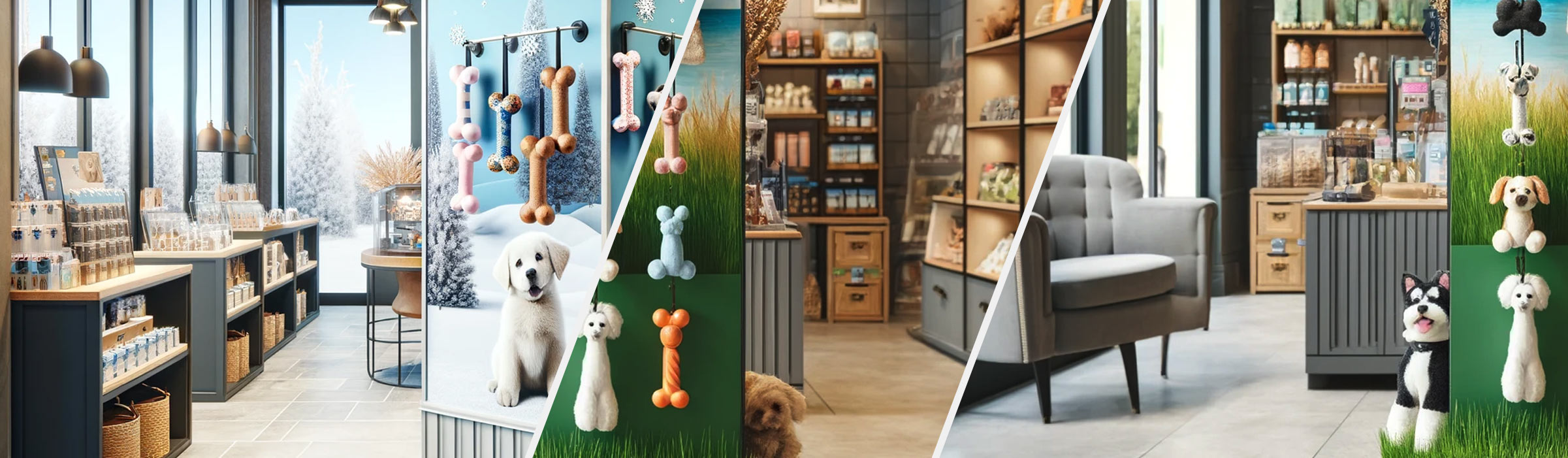
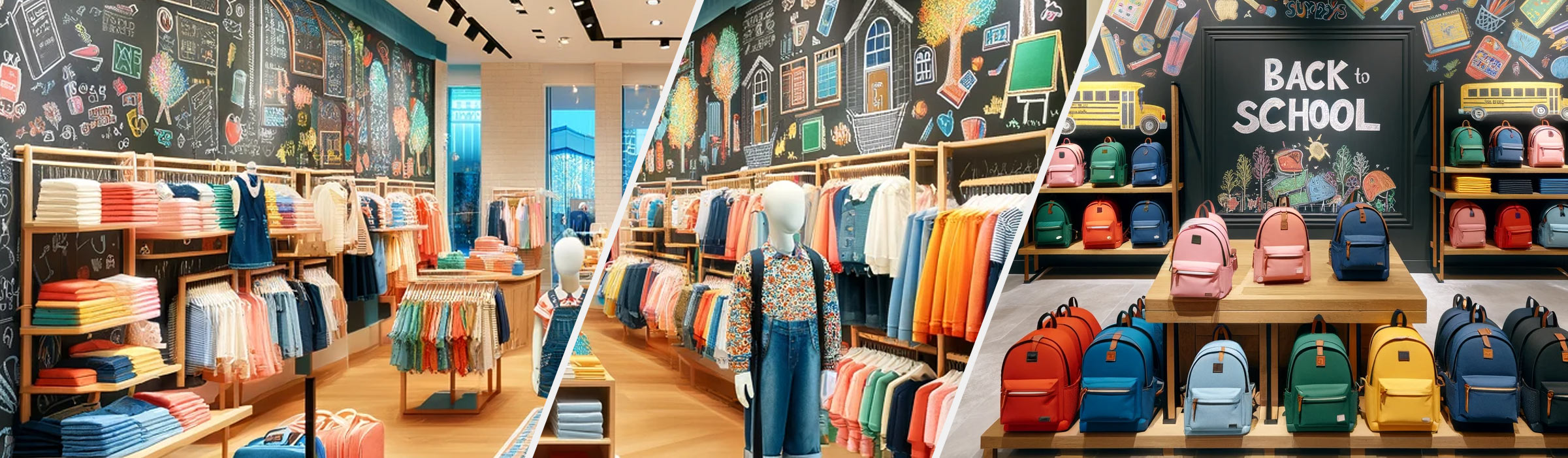
Retail graphics are more than just eye-catching designs; they’re powerful tools for brand activation. Learn how vinyl graphics can transform your store, attract customers, and drive sales.
In today’s retail world, a captivating physical space is crucial. With online shopping on the rise, creating an inviting, memorable in-store experience is key. Shoppers can buy from home, but that lacks the engagement of a well-designed retail space. Retail graphics—striking window displays, vibrant wall murals, informative floor decals, and compelling point-of-purchase displays—are the heroes here. They work together to create a seamless experience that draws customers in, telling your brand’s story and highlighting promotions in a way that truly resonates.
Vinyl prints are a game-changer, thanks to their versatility and durability. Applied to windows, walls, floors, or furniture, they transform any surface into a branding masterpiece. Vivid colors and sharp details create a visual impact that captivates shoppers. Easy to install and remove, they’re perfect for seasonal promotions, product launches, and store refreshes. Investing in retail graphics, especially vinyl prints, sets your store apart, making it more inviting and encouraging repeat visits. In a world dominated by online shopping, high-quality retail graphics ensure your store remains a destination worth visiting.
In this article, we’ll explore the range of graphics that can enhance the customer experience.
Understanding Retail Graphics
Retail graphics encompass a wide range of visual elements designed to enhance the shopping experience. These can include:
Window Displays: Eye-catching designs that attract passersby and draw them into your store.
Floor Graphics: Innovative visuals applied to the floor, guiding customers through the store and highlighting key areas.
Point-of-Sale Displays: Engaging graphics at checkout counters to encourage last-minute purchases.
Shelf Edge Graphics: Attention-grabbing designs at shelf level to promote specific products.
Retail graphics are typically printed on durable materials like vinyl, which offers flexibility, vibrant colors, and longevity. Vinyl graphics can be easily applied and removed, making them ideal for seasonal promotions and ever-changing retail environments.
The Power of Vinyl in Retail Graphics
Vinyl is a preferred material for retail graphics due to its versatility and durability. Here’s why vinyl graphics are a game-changer:
Versatility: Vinyl can be cut into any shape or size, allowing for customized designs that fit any space.
Durability: Withstands heavy foot traffic, sunlight, and cleaning, ensuring your graphics stay vibrant and intact.
Easy Application and Removal: Vinyl graphics are easy to install and remove, making them perfect for temporary promotions or updates.
Cost-Effective: Provides a high-impact visual solution without breaking the bank.
Why Do You Need Retail Signage?
Brand Recognition and Loyalty: Signage is crucial for establishing and reinforcing your brand identity. Consistent and well-designed graphics help customers recognize your brand quickly. This familiarity builds trust and loyalty, which are essential for repeat business.
Enhanced Customer Experience: A visually appealing store creates a memorable shopping experience. Wayfinding graphics can guide customers through the store, highlight promotions, and create a welcoming atmosphere. This not only enhances customer satisfaction but also encourages longer store visits and higher spending.
Effective Communication: Retail graphics communicate important information quickly and effectively. From sales promotions to new arrivals, well-placed graphics ensure customers are always in the know. This can lead to increased foot traffic and sales.
Competitive Edge: In a crowded market, standing out is vital. Unique and creative retail graphics can differentiate your store from competitors, drawing in curious customers. A visually distinctive store is more likely to be remembered and recommended.
Increased Sales: Strategically placed graphics can direct customers to high-margin products or impulse buys. Eye-catching displays at the point of sale can trigger last-minute purchases, boosting your overall sales.
How to Implement Graphics Effectively
Know Your Audience: Understanding your target audience is the first step. Your graphics should resonate with your customers’ preferences and behaviors. For instance, a store targeting young adults might use bold, vibrant colors and trendy designs.
Consistency is Key: Ensure all your graphics are consistent with your brand’s visual identity. This includes using the same color schemes, fonts, and logos. Consistency strengthens brand recognition and makes your store look professional and cohesive.
Quality Matters: Invest in high-quality vinyl and printing services. Poor quality graphics can reflect badly on your brand and deter customers. High-quality prints, on the other hand, enhance your store’s appeal and durability.
Regular Updates: Keep your graphics fresh and relevant by updating them regularly. This could be for seasonal promotions, holidays, or new product launches. Regular updates keep your store exciting and engaging for repeat customers.
Measure Impact: Track the performance of your retail graphics. This can be done through customer feedback, sales data, and foot traffic analysis. Understanding what works and what doesn’t will help you refine your strategy for maximum impact.
Conclusion
Retail graphics, especially those printed on vinyl, are indispensable tools for modern retail environments. They enhance brand recognition, improve customer experience, and drive sales. By investing in high-quality, strategically placed graphics, you can create a visually compelling store that stands out in the competitive retail landscape.
Remember, your store’s visual appeal is often the first impression customers get of your brand—make it count!
FAQs
1. What are Retail Graphics?
Retail graphics are visual elements used to enhance the in-store shopping experience. They include wall murals, window displays, floor graphics, point-of-sale displays, and shelf edge graphics. Typically printed on durable materials like vinyl, these graphics serve to attract customers, communicate promotions, and reinforce brand identity within a retail environment.
2. Why Should I Use Vinyl for Retail Graphics?
Vinyl is an ideal material for retail graphics due to its versatility, durability, and ease of application and removal. It can be cut into any shape or size, withstands heavy foot traffic and sunlight, and offers vibrant colors that last. This makes vinyl graphics perfect for both permanent installations and temporary promotions, providing a high-impact visual solution without breaking the bank.
3. How Can Retail Graphics Improve My Store’s Customer Experience?
Retail graphics enhance the customer experience by creating an inviting and engaging shopping environment. They can guide customers through the store, highlight promotions, and create a welcoming atmosphere. Well-designed graphics help make the shopping experience memorable, encouraging longer visits and higher spending, ultimately boosting customer satisfaction and loyalty.
4. What Are the Benefits of Consistent Retail Graphics?
Consistent retail graphics help reinforce brand identity, making it easier for customers to recognize and trust your brand. Using the same color schemes, fonts, and logos across all graphics ensures a professional and cohesive look. This consistency strengthens brand recognition, builds customer loyalty, and enhances the overall aesthetic appeal of your store.
5. How Often Should I Update My Retail Graphics?
It’s important to regularly update your retail graphics to keep your store fresh and engaging. Updates can coincide with seasonal promotions, holidays, new product launches, or any significant changes in your store’s offerings. Regular updates ensure that your store remains exciting and relevant to both new and repeat customers, helping to drive continuous interest and sales.
We proudly use 3MTM graphic films and overlaminates.
In the competitive world of retail, the ability to attract and retain customers hinges significantly on strategic promotional planning. Implementing a year-round promotional calendar can transform sporadic sales into a consistent increase in customer traffic and sales.
Retail graphics have become a cornerstone of modern brand activation strategies. In an age where first impressions can make or break a sale, the visual appeal of your store is paramount.
Struggling to make the most of your small retail space? Explore innovative techniques to optimize your store layout and use graphics to create an inviting and spacious feel.
“The goal of any store layout is to create an environment where the product and the shopper can meet naturally and frequently.”
In today’s competitive retail landscape, creating a memorable customer experience is paramount to driving brand loyalty and increasing sales. The layout of a store and the strategic placement of graphics play a pivotal role in shaping customer behavior and influencing purchasing decisions. By leveraging psychological insights, businesses can optimize their retail environments to enhance brand identity and improve the overall shopping experience.
A well-thought-out store layout does more than provide a functional space for products; it creates an immersive environment where customers feel engaged and connected. Strategic placement of merchandise, signage, and graphics can guide customers through the store, highlight key products, and create a sense of discovery. For example, placing impulse-buy items near the checkout counter encourages last-minute purchases, while clear and visually appealing signage helps shoppers navigate the store more efficiently.
The psychology behind store layouts and branding goes beyond mere aesthetics. Colors, lighting, and spatial arrangements all contribute to the customer’s emotional response and perception of the brand. Warm colors like red and orange can create a sense of urgency and excitement, while cooler tones like blue and green promote calmness and trust. Strategic use of graphics can further enhance these emotional cues, creating a cohesive and inviting environment.
At Signature Graphics, we specialize in crafting custom retail graphics that align with brand identity and enhance the shopping experience. Our expertise lies in understanding how visual elements can influence customer behavior and using that knowledge to create impactful solutions. In this article, we explore the psychology behind store layouts and branding, highlighting how strategic placement of graphics can transform the retail environment and drive business success.
The Importance of Store Layouts in Customer Behavior
“Effective layouts are not about directing traffic, but about inspiring journeys within a store.”
The layout of a retail store is a fundamental factor in shaping the shopper’s experience, influencing their behavior, and ultimately affecting sales. An effective store layout is not just about aesthetics; it’s about strategically positioning products and visual elements to maximize customer engagement and guide their journey through the store.
Store layouts serve several key functions. Firstly, they create a welcoming environment that encourages shoppers to explore. Secondly, they can highlight key products, showcase promotions, and direct customer flow. Finally, they contribute to the brand’s overall identity, reinforcing its image through design choices.
There are several common types of store layouts, each with its advantages. The grid layout, often used in supermarkets and pharmacies, features aisles that run parallel to one another. This layout is efficient, allows for easy navigation, and maximizes product display. The loop layout, also known as the racetrack layout, directs shoppers along a predetermined path that winds through the store. This approach is ideal for showcasing a wide range of products and encouraging exploration. The free-flow layout, common in boutique and specialty stores, allows for more creative product placement and encourages browsing.
Strategic layout design can significantly impact purchasing decisions. For instance, placing high-margin items at eye level increases their visibility and likelihood of purchase. Creating visually appealing focal points throughout the store can draw customers’ attention and guide them toward specific areas or products. Additionally, thoughtful placement of impulse-buy items near checkout counters can boost last-minute sales.
Understanding the importance of store layouts in customer behavior is crucial for retail success. By choosing the right layout and strategically positioning products and graphics, retailers can create an environment that enhances the shopping experience and drives sales.
The Role of Graphics in Guiding Shopper Behavior
“The ultimate goal of a store layout is to make the shopping experience so pleasant that it becomes habitual.”
Graphics play a crucial role in shaping shopper behavior within a retail environment. When placed strategically, they can guide customer paths, highlight promotions, and create a cohesive brand experience. The visual impact of graphics, whether in the form of signage, decals, or floor graphics, can significantly influence how customers interact with a store and its offerings.
Well-placed graphics can serve as visual cues that guide shoppers through the store, effectively steering their movement and enhancing their experience. For instance, eye-catching signage near key areas, such as product displays or checkout counters, can attract attention and encourage exploration. Directional signage can also help customers navigate large or complex stores, leading them to specific sections or featured products. Additionally, graphics that highlight special offers or new arrivals can increase awareness and drive sales.
Different types of graphics can be employed to influence shopper behavior. Wall signage can convey essential information, such as store policies or brand messaging. Decals, often used on walls, windows, or floors, can add visual interest and highlight specific areas or products. Floor graphics are particularly effective in guiding customer paths, as they can direct foot traffic and create an interactive shopping experience. For example, placing directional arrows or footprints on the floor can lead customers to key sections of the store or through a specific product journey.
Successful graphic placements are often seen in retail stores that prioritize customer experience and engagement. For example, a clothing retailer might use large wall graphics to create themed sections, while a grocery store might use floor decals to guide shoppers to promotional items. By strategically placing graphics, retailers can create a visually appealing environment that aligns with their brand and enhances the customer journey.
In summary, graphics play a vital role in guiding shopper behavior and enhancing the retail experience. By utilizing well-placed signage, decals, and floor graphics, retailers can influence customer paths, highlight key areas, and create an engaging environment that encourages exploration and drives sales.
The Impact of Color Psychology on Branding
“A well-thought-out store layout is a strategic tool for subconscious persuasion.”
Color psychology plays a vital role in branding and retail environments, influencing customer perceptions, moods, and buying behavior. By understanding how colors affect people emotionally and cognitively, brands can strategically select colors that align with their identity and resonate with their target audience.
Color psychology studies how different hues evoke specific feelings or reactions in people. These reactions are often subconscious but can significantly impact customer behavior. For example, red is associated with excitement, energy, and urgency, which is why it’s commonly used in clearance sales or to highlight promotional offers. Blue, on the other hand, conveys calmness, trust, and reliability, making it popular for corporate branding and healthcare settings.
Colors not only affect mood but also play a crucial role in shaping consumer decisions. Bright and warm colors, such as red, yellow, and orange, can stimulate appetite, which is why they are frequently used in the food industry. Cool colors, like blue and green, tend to create a relaxing atmosphere, which can be beneficial in retail environments where brands want customers to spend more time browsing.
When selecting colors for effective branding, businesses should consider their brand identity, target audience, and the emotions they want to evoke. It’s essential to choose a primary brand color that aligns with the brand’s values and personality. Complementary colors should enhance the primary color and create a cohesive visual identity. Brands should also consider the cultural associations of colors, as these can vary widely between different regions and demographics.
Incorporating color psychology into branding and retail environments can lead to more effective communication and stronger customer connections. By carefully selecting and using colors, brands can enhance their identity, create positive customer experiences, and influence buying behavior.
RED
EMOTIONAL IMPACT: Red is associated with excitement, energy, and passion. It is an intense color that can evoke feelings of urgency and alertness.
BRANDING USE: Often used in clearance sales and promotional offers to grab attention quickly. It’s also prevalent in industries like fast food due to its ability to stimulate appetite.
BLUE
EMOTIONAL IMPACT: Blue conveys calmness, trust, and reliability. It’s soothing and tends to lower the pulse rate and body temperature.
BRANDING USE: Widely used in corporate branding and healthcare due to its associations with professionalism and trustworthiness. It’s also favored by tech companies for its modern and cool connotations.
YELLOW
EMOTIONAL IMPACT: Yellow is bright and cheerful, associated with happiness and optimism. It can stimulate mental activity and generate muscle energy.
BRANDING USE: Often used to grab attention in window displays and signs. It’s also popular in the food industry for its association with freshness and energy.
GREEN
EMOTIONAL IMPACT: Green symbolizes nature, health, and renewal. It’s the easiest color on the eye and can improve vision. BRANDING USE: Used extensively by companies promoting organic and natural products. It’s also favored in stores to promote a calming and relaxing environment.
ORANGE
EMOTIONAL IMPACT: Orange combines the energy of red and the happiness of yellow. It is associated with enthusiasm, creativity, and warmth.
BRANDING USE: Often used to call to action; buy, sell, or subscribe. It’s energetic and can be effective for impulse buys.
PURPLE
EMOTIONAL IMPACT: Purple is associated with royalty, luxury, and sophistication. It can also denote mystery and magic.
BRANDING USE: Used by brands that want to convey luxury and exclusivity. It’s also popular among anti-aging products.
BLACK
EMOTIONAL IMPACT: Black is powerful and controlling and can evoke strong emotions; it is also associated with elegance and sophistication.
BRANDING USE: Often used in high-end products to market luxury and exclusivity. It’s common in fashion for its ability to make products appear heavier and more substantial.
WHITE
EMOTIONAL IMPACT: White symbolizes purity, cleanliness, and simplicity. It can represent a new beginning or a fresh start.
BRANDING USE: Widely used in healthcare and child-related products for its clean and pure connotations. It’s also popular in minimalist branding to convey simplicity and focus.
Creating Visual Pathways for Enhanced Shopper Engagement
“A thoughtfully designed store environment acts as a silent salesman, making offers through placement and presentation.”
Creating visual pathways in retail environments is a powerful way to enhance shopper engagement and guide customer behavior. Visual pathways leverage visual elements to direct shoppers’ attention and movement, helping them navigate through the store and engage with key areas or products.
Visual pathways are essentially guided journeys that customers follow through visual cues. These cues can be in the form of floor markings, strategically placed graphics, or focal points that naturally draw attention. The concept behind visual pathways is to use visual elements to lead shoppers along a desired route, often directing them toward key areas such as new product displays, promotional items, or checkout counters.
Visual elements play a crucial role in directing shopper attention and movement. For example, floor graphics can be used to create a path for customers to follow, leading them through specific areas of the store. Large graphics or murals can serve as focal points that draw attention and encourage exploration. Signage can provide directional guidance, helping customers find their way or highlighting key sections.
To create effective visual pathways using graphics, retailers should first identify the areas they want to highlight or the routes they want customers to follow. Strategic placement of graphics, such as arrows, footprints, or directional signage, can then be used to guide shoppers. It’s essential to ensure that the visual elements align with the brand’s identity and complement the store’s overall design. Additionally, maintaining a clear and cohesive visual language throughout the store can prevent confusion and enhance the shopping experience.
Visual pathways can enhance shopper engagement by creating a clear and enjoyable journey through the store. By strategically using graphics to guide customer movement, retailers can highlight key areas, encourage exploration, and ultimately increase sales. The use of visual pathways not only benefits the retailer but also improves the overall customer experience by making navigation easier and more intuitive.
The Overall Impact of Visual Merchandising on Sales
“The power of a store layout lies in its ability to transform browsing into buying.”
Visual merchandising is a crucial aspect of retail success, encompassing the presentation and display of products to enhance customer experience and drive sales. Key components of visual merchandising include store layout, product placement, signage, lighting, and overall aesthetic design. When executed effectively, visual merchandising can significantly impact both sales and customer satisfaction.
Visual merchandising focuses on creating an appealing shopping environment that encourages customers to explore, engage, and ultimately purchase products. Effective visual merchandising drives sales by attracting customers’ attention and facilitating their decision-making process. By strategically placing products and using visual elements such as signage or lighting to highlight key items, retailers can guide customers through the store and influence their purchasing decisions.
A critical aspect of successful visual merchandising is cohesive branding through visual elements. Consistency in color schemes, fonts, and design styles helps reinforce a brand’s identity and creates a unified shopping experience. When customers encounter consistent branding across a store’s visual elements, they are more likely to remember the brand and associate it with positive experiences. This consistency enhances brand recognition and loyalty, contributing to long-term customer satisfaction and retention.
In addition to improving sales and customer satisfaction, effective visual merchandising can also differentiate a store from its competitors. By creating a unique and engaging shopping environment, retailers can stand out in a crowded marketplace and attract a loyal customer base. This differentiation is particularly important in today’s competitive retail landscape, where customer experience often serves as a key differentiator.
In summary, visual merchandising plays a vital role in retail success by enhancing customer experience, driving sales, and reinforcing brand identity. Through strategic placement of products and cohesive visual elements, retailers can create engaging shopping environments that attract and retain customers. By focusing on effective visual merchandising, businesses can boost their bottom line and create a loyal customer base.
Conclusion
In this article, we’ve explored the importance of strategic store layouts and branding in shaping customer behavior, influencing purchasing decisions, and enhancing the overall shopping experience. From understanding the psychology behind these layouts to the impact of visual merchandising on sales, we’ve seen how these elements contribute to retail success. The article also examined how graphics can guide shopper behavior and the role of color psychology in effective branding.
It’s clear that store layouts and branding play a pivotal role in creating an engaging customer journey and building a strong brand identity. High-level marketers, business owners, and retail professionals should consider how these factors impact their businesses. By optimizing layouts and utilizing strategic graphic placement, businesses can improve customer satisfaction and drive sales.
For those looking to enhance their retail environments with impactful graphics and effective layouts, Signature Graphics offers expert assistance. With a deep understanding of retail graphics and a commitment to creating engaging customer experiences, Signature Graphics is the ideal partner for businesses seeking to improve their branding and layout strategies. Reach out to Signature Graphics today to discover how their expertise can elevate your retail space and contribute to your business success.
We proudly use 3MTM graphic films and overlaminates.
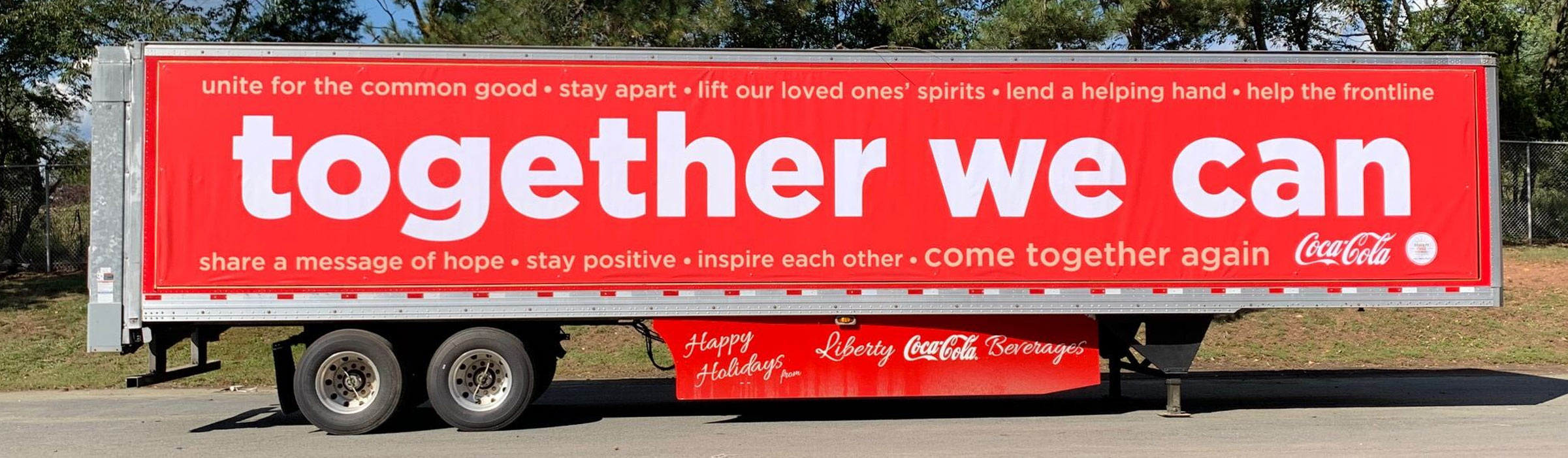
In our last post, we showed how trailer tails and trailer skirts can help prevent drag and ultimately help with fuel efficiency. Today, we’d like to explain how implementing trailer tails and trailer skirts can boost your branding efforts and help you maximize branding space with trailer tails and skirts.
Branding is a crucial part of any company’s marketing plan – defining who you are and how you want to be perceived by the public or your specific target audience. But did you know that trailer tails and trailer skirts don’t have to be an eyesore? By installing trailer tails and skirts on your semi-trailer, you add roughly 36-48 inches of extra design space. Use this additional space for a more elaborate message and design that might not have fit before. Take your trailer wrap to the next level and ensure every inch of your trailer stands out and gets noticed.
Why Branding Matters
Branding is more than just a logo or a catchy slogan. It’s about creating a cohesive and consistent image that tells your company’s story. Effective branding can:
Increase Recognition: A well-branded trailer can turn heads and make a lasting impression.
Build Trust: Consistent and professional branding can build credibility with your audience.
Drive Sales: Clear and compelling branding can attract new customers and retain existing ones.
Trailer Tails and Skirts: Not Just for Efficiency
While tails and skirts are excellent for reducing drag and improving fuel efficiency, they also offer untapped potential for branding. Here’s how to maximize branding space:
Additional Advertising Space: Use the extra space provided by trailer tails and skirts to display your brand’s message, logo, or contact information.
Enhanced Visibility: With more surface area, your trailers become more noticeable on the road, increasing brand exposure.
Creative Design Opportunities: The added space allows for more creative and comprehensive designs, making your fleet graphics more engaging.
Signature Graphics: Your Partner in Fleet Branding
At Signature Graphics, we specialize in creating eye-catching, head-turning trailer wraps that spread your message far and wide. Here’s what we offer:
Custom Designs: Our team works with you to create a design that reflects your brand’s identity and message.
High-Quality Materials: We use durable vinyl materials that withstand the elements and keep your graphics looking sharp.
Expert Installation: Our experienced installers seamlessly and professionally apply your trailer wraps and graphics.
Inspiration
Check out some of our past projects to see how we’ve helped other companies transform their fleets into mobile billboards. Our portfolio showcases a range of designs, from bold and vibrant to sleek and sophisticated.
Contact Us
Ready to take your branding to the next level? Contact Signature Graphics today to discuss your needs and get a quote. Whether you’re looking to update your current fleet graphics or start from scratch, we’re here to help.
FAQs
1. How do trailer tails and skirts improve fuel efficiency?
Trailer tails and skirts reduce aerodynamic drag, which helps improve fuel efficiency by allowing trucks to move more smoothly through the air.
2. Can the graphics on trailer tails and skirts be customized?
Absolutely! At Signature Graphics, we can customize the graphics on your trailer tails and skirts to match your branding perfectly.
3. How durable are the vinyl graphics used on trailers?
We use high-quality, durable vinyl that is designed to withstand harsh weather conditions and the wear and tear of the road.
4. How long does the installation process take?
The installation time can vary depending on the complexity of the design and the size of your fleet. Contact us for a detailed timeline based on your specific project.
5. Do you offer design services for trailer graphics?
Yes, we have a team of talented designers who can create custom graphics that align with your brand’s vision.