
A vehicle wrap can do a lot for a fleet. It can turn a plain vehicle into a moving brand asset, support a rebrand, promote a campaign, or make a national fleet look more consistent.
However, a wrap does not fix every problem.
In fact, sometimes the smartest move is to wait, repair the surface, choose a different type of graphic, or skip the wrap altogether. That may sound counterintuitive coming from a fleet graphics provider, but it matters. A bad wrap decision can create adhesion issues, removal problems, mismatched branding, unnecessary cost, and avoidable downtime.
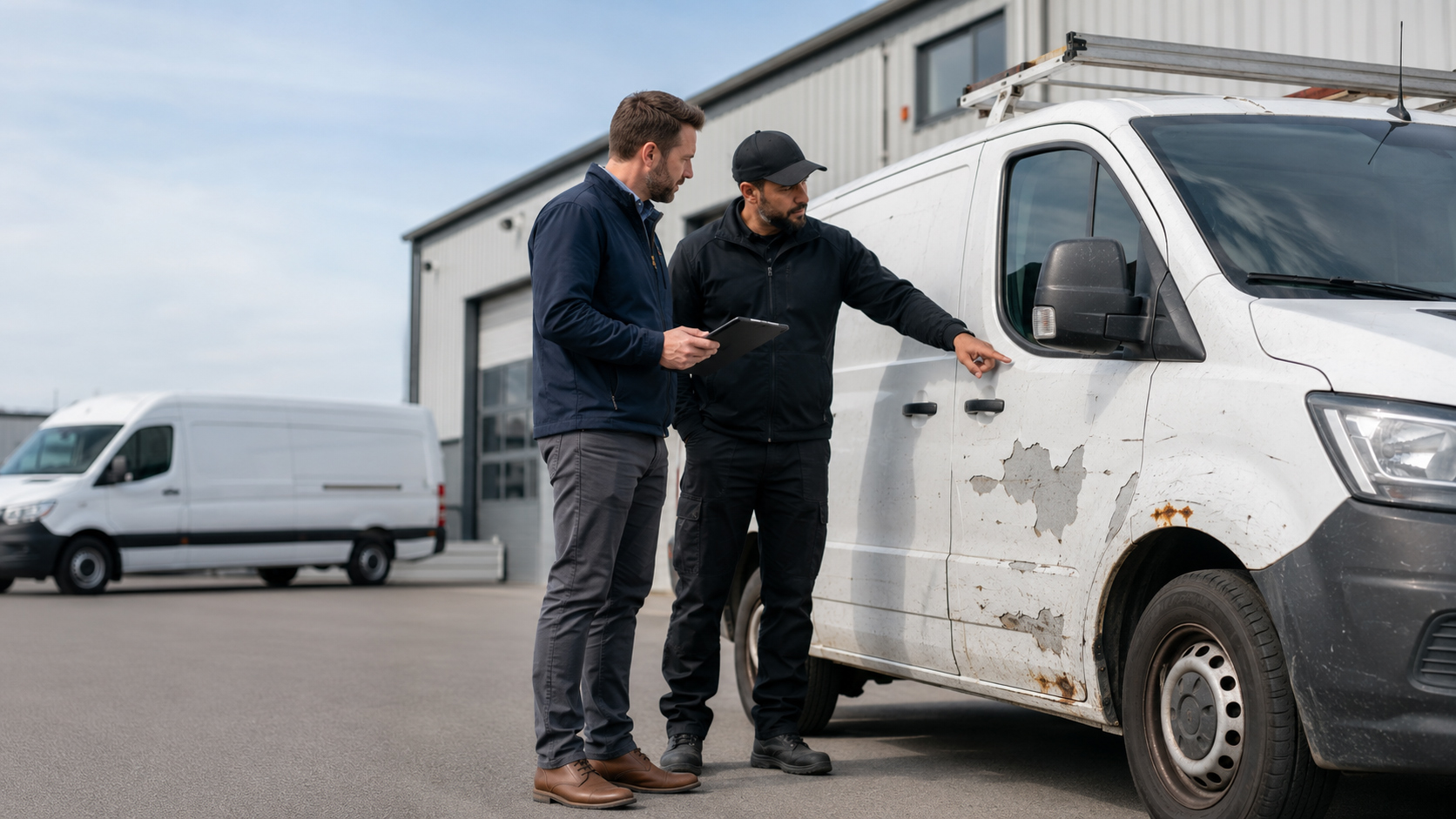
So, can you wrap a car with bad paint? Sometimes. But if the paint is peeling, rusting, lifting, or already failing, the wrap may not perform the way you expect.
For fleet managers and brand owners, the real question is not just whether a vehicle can be wrapped. The better question is whether it should be wrapped.
Can You Wrap a Car With Bad Paint?
You may be able to wrap a vehicle with minor paint imperfections. However, damaged paint can create problems before, during, and after installation.
A wrap needs a stable surface. If the paint has rust, peeling clear coat, flaking paint, deep scratches, or poor previous repairs, the vinyl may not adhere correctly. In addition, the wrap can highlight surface defects instead of hiding them.
Then, when the time comes to remove the wrap, weak paint may lift with the vinyl. That does not mean wraps always damage paint. Properly installed and removed wraps often perform well on healthy factory paint. However, pre-existing paint problems can raise the risk of damage during removal.
That is why fleet teams should inspect the vehicle before they approve graphics.
1. Don’t Wrap Over Peeling Paint, Rust, or Failing Clear Coat
First, look closely at the surface.
If the vehicle has peeling paint, rust, bubbling, flaking clear coat, or poorly repaired panels, a full wrap may create more problems than it solves. The graphics may not bond well to the surface. Also, the finished wrap may show bumps, texture, or uneven areas underneath.
Most importantly, removal can become risky. If the paint already lacks a strong bond to the vehicle, the vinyl may pull loose paint with it later.
So before wrapping, repair the surface. If the vehicle does not justify that investment, consider spot graphics, temporary graphics, or no graphics at all.
2. Think Twice Before Wrapping a Vehicle Near Retirement
Next, consider the vehicle’s remaining service life.
If the vehicle will leave the fleet soon, a full wrap may not make financial sense. The cost, production time, installation window, and removal plan may outweigh the benefit.
This comes up often with older fleet assets. A vehicle may still run, but it may not stay in service long enough to justify a full graphics package. In that case, fleet managers should ask:
- How long will this vehicle stay in service?
- Will the company sell, return, or retire it soon?
- Will the wrap need removal before resale?
- Would a partial graphic or decal set accomplish enough?
- Would temporary graphics make more sense?
A full wrap works best when the asset has enough remaining life to earn the investment.
3. Check Lease Restrictions Before You Wrap
Leased vehicles create a different kind of risk.
Before you add graphics, review the lease terms. Some leases restrict permanent changes, adhesive graphics, full wraps, or anything that could affect the return condition. Others allow graphics but require clean removal before the vehicle goes back.
Because of that, fleet managers should confirm the rules before installation, not after.
If the lease limits permanent graphics, removable or temporary vehicle graphics may work better. 3M specifically discusses temporary wraps and changeable graphics for leased fleet vehicles, seasonal needs, rentals, and short-term applications.
4. Don’t Ignore Sensors, Cameras, and Vehicle Technology
Modern vehicles are not blank canvases.
Many fleet vehicles include cameras, proximity sensors, radar, charging ports, backup cameras, sliding doors, liftgates, vents, handles, lights, and safety systems. Those features can affect where graphics should go and how installers need to work around the vehicle.
Before approving a wrap, confirm that the design does not cover anything critical. That may include:
- Cameras
- Sensors
- Radar areas
- Reflectors
- Lights
- Door handles
- Fuel doors
- Charging ports
- Required safety markings
- Vehicle identification numbers
- DOT or compliance markings
In addition, some advanced driver assistance systems rely on sensors, cameras, radar, and other vehicle technologies to support safety features. NHTSA describes these systems as using technologies such as cameras, sensors, and radar to help drivers avoid crashes.
So, graphics planning should respect the vehicle’s function, not just the design.
5. Avoid a Full Wrap When the Schedule Is Too Tight
Sometimes the vehicle itself is fine, but the schedule creates the problem.
A quality wrap needs the right conditions. The vehicle may need cleaning, surface prep, old graphics removal, repair time, installation time, and sometimes paint cure time if body work just happened.
If the vehicle only has a tiny service window, rushing the job can lead to mistakes. Installers may not have enough time to prep the surface, work around complex areas, or document the finished vehicle properly.
Instead, choose a graphics option that fits the actual window. For example, spot graphics, door decals, temporary graphics, or a phased rollout may work better than forcing a full wrap into a short window.
6. Use Temporary Graphics for Short-Term Campaigns
Not every branding need deserves a permanent wrap.
If the vehicle supports a seasonal campaign, temporary route, event, pilot program, or short-term promotion, temporary graphics may make more sense. They can give the vehicle a branded presence without locking the asset into a long-term design.
This also helps when the company does not own the vehicle. Rental vehicles, leased assets, overflow fleet units, and seasonal vehicles often need flexible branding that can come off later.
So before choosing a full wrap, ask how long the message needs to last. If the campaign ends in weeks or months, temporary graphics may solve the problem more efficiently.
7. Consider Resale Before You Wrap
A wrap can support the brand while the vehicle works. However, the vehicle may eventually need to leave the fleet cleanly.
If the company plans to sell, trade, return, or auction the vehicle soon, think about removal before installation. Removal takes time and money. Also, older paint or poor surface condition can complicate removal.
For vehicles close to resale, a lighter graphics package may make more sense. Door decals, removable graphics, or partial branding can reduce removal complexity while still keeping the asset professional in the field.
8. Don’t Wrap a Vehicle Without Accurate Vehicle Data
Fleet graphics depend on accurate vehicle information.
A Ford Transit, Ram ProMaster, Chevrolet Express, box truck, trailer, pickup, or service vehicle may each need a different layout. Even within the same model, roof height, wheelbase, windows, body style, racks, liftgates, and upfitting can change the graphics plan.
If the team lacks accurate information, they may print the wrong layout or send installers into the field without the right materials.
Before approving graphics, confirm:
- Year, make, and model
- VIN or unit number
- Vehicle type
- Roof height
- Wheelbase
- Doors and windows
- Upfitting or equipment
- Existing damage
- Current graphics
- Install location
- Vehicle availability
This step prevents avoidable rework.
9. Don’t Use a Wrap to Hide a Bigger Problem
A wrap can improve how a vehicle looks, but it should not cover up a problem the fleet needs to address.
If a vehicle has body damage, rust, peeling paint, panel issues, or safety concerns, handle those issues first. Otherwise, the wrap may fail early or make future repairs more complicated.
This matters for brand owners too. A wrapped vehicle still reflects the company. If the asset looks damaged underneath the graphics, the brand does not look stronger. It looks neglected.
Better Options When a Full Wrap Does Not Make Sense
If a full wrap does not fit the vehicle, the timeline, or the ownership situation, you still have options.
Depending on the situation, fleet teams can consider:
- Spot graphics
- Door decals
- Partial wraps
- Removable graphics
- Temporary campaign graphics
- Reflective markings
- Replacement decals
- Graphics removal and reinstallation after repair
- Holding the vehicle until surface issues get fixed
- Skipping low-value assets close to retirement
The right choice depends on the vehicle’s condition, service life, brand visibility, ownership status, and timeline.
How Signature Helps Decide When Not to Wrap a Vehicle
Signature Graphics helps fleet managers and brand teams make practical graphics decisions before production starts.
That means looking at the vehicle, the surface condition, the brand goal, the service window, the ownership status, and the expected life of the asset. Then, instead of forcing every vehicle into the same solution, Signature helps teams choose the approach that fits the actual fleet.
Sometimes that means a full wrap. Sometimes it means a partial wrap, temporary graphic, repair-first approach, or no wrap at all.
The goal is simple: protect the brand, avoid unnecessary rework, and make sure the graphics choice matches the vehicle.
FAQs About When Not to Wrap a Vehicle
Can you wrap a car with bad paint?
Sometimes, but bad paint increases risk. Peeling paint, rust, failing clear coat, and poor repairs can affect adhesion and removal. A stable, clean, healthy surface gives the wrap a much better chance of performing well.
Will a vehicle wrap damage paint?
A properly installed and removed wrap usually works best on healthy paint. However, weak paint, poor previous repairs, peeling clear coat, rust, or improper removal can increase the chance of paint damage.
Can you wrap over scratches or dents?
You can wrap over some minor scratches, but the wrap may not hide them. Deep scratches, dents, rust, and uneven surfaces can show through the vinyl and affect the finished look.
Should you wrap an old fleet vehicle?
It depends on the vehicle’s remaining service life, condition, visibility, and resale plan. If the vehicle will retire soon, a full wrap may not justify the cost or downtime.
Can you wrap a leased vehicle?
Possibly, but you should check the lease terms first. Some leases restrict graphics or require clean removal before return. Temporary or removable graphics may work better for leased vehicles.
Are temporary graphics better for short-term campaigns?
Often, yes. Temporary graphics can support seasonal campaigns, rentals, events, pilot programs, and short-term routes without committing the vehicle to a permanent wrap.