
Get Your Fleet Lettered Without Losing a Week of Routes
Signature Graphics handles volume vehicle graphics and wrap installs for fleets across metro Detroit, Grand Rapids, and the I-96 corridor between them, from 10-vehicle regional fleets up to enterprise programs. Installs get scheduled around your dispatch board instead of ours.
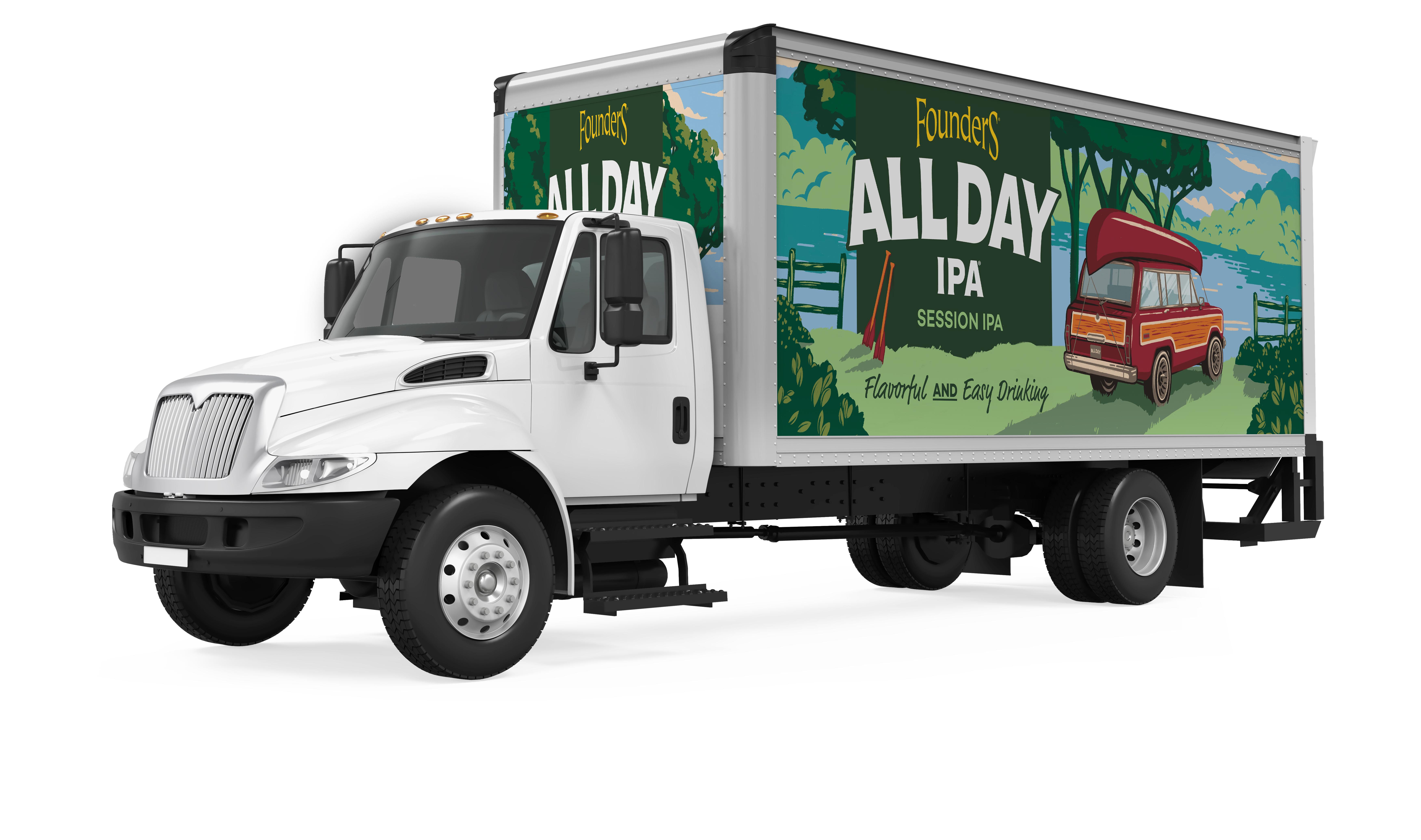
Who We Work With
The program is built for teams like these:
- Fleet and operations managers coordinating 10+ units
- Cross-border carriers running freight over the Detroit River
- Auto supplier and manufacturing fleets running parts between plants
- Food, grocery, and beverage distribution fleets working West Michigan
- Trade and service fleets (HVAC, electrical, plumbing, utility) that can’t afford to lose route days
- National accounts that need one install standard across every vehicle
Where We Work
Crews install on every side of the perimeter:Crews install across both metros and the corridor between them:
- Southwest Detroit, Delray, and River Rouge. Cross-border carriers and logistics yards working the Ambassador and Gordie Howe bridges.
- Romulus, Taylor, and the DTW corridor. Air cargo, parcel, and big-box distribution fleets off I-94 and I-275.
- Warren, Sterling Heights, and Auburn Hills. Auto supplier, defense, and manufacturing fleets along I-696 and I-75.
- Kentwood, Cascade, and the Grand Rapids airport. Distribution and parcel operations along I-96 and M-6.
- Wyoming, Grandville, and Byron Center. Food and grocery distribution fleets along US-131 and I-196.
Lansing, Flint, Kalamazoo, or a yard off I-96 in between? Still covered. Coverage runs the whole corridor, and crews come to your yard either way.
How Fleet Installs Work
Five things that separate a fleet program from a one-off wrap job.
Two Metros, One Schedule
Detroit and Grand Rapids sit about 150 miles apart, and most fleets here run yards in both. Crews work each one as a stop on the same program, so a yard in Kentwood isn’t waiting on one in Romulus to finish.
Installed Around Shift Changes
Supplier fleets run on production schedules, not delivery windows. Batches are built around when your units actually sit, whether that’s between shifts, overnight, or over a weekend.
Lettering that Clears the Border
Cross-border trucks get looked at on both sides of the river. USDOT, MC, and truck ID go into the vehicle template at the design stage, sized to federal spec, so nothing gets flagged over a decal.
This Year’s Truck Matches Next Year’s
G7 Master Printer Certification locks color at the production level, so a unit added in Grand Rapids next spring comes out the same shade as one wrapped in Detroit today.
Reflective Marking for Winter Runs
For months of the year, Michigan routes start and end in the dark. Night and highway fleets get reflective, high-visibility treatment where the route calls for it.
Winter is the real test of an install up here. Road salt, brine, and freeze-thaw cycles go after any edge that wasn’t prepped right, and a wrap that lifts at the seams by its second spring is a wrap you pay for twice. Signature is a 3M Certified Graphics Partner, so the warranty covers materials, production, and installation together instead of leaving you to argue about which one failed. The cast vinyl is rated for 5 to 9 years outdoors.
One Program Up and Down I-96
A fleet with yards in both metros usually ends up with two local shops, two quotes, and two slightly different versions of the brand. Two-plus hours of interstate is too far to send trucks to one shop, so the work gets split.
G7 Master Printer Certification is the answer to that: color is matched at the production level rather than negotiated shop by shop, so a box truck lettered in Wyoming and a tractor lettered in Romulus come out identical.
Production runs out of Porter, Indiana, a few hours down I-94 from both metros. Crews travel the corridor; your units stay on their routes.
Get Your Fleet Quoted
Tell us your fleet size and yard locations. We’ll put together an install schedule that doesn’t touch your route coverage.
FAQs
Answers to your questions: